Engineering Cap: Resource Limits in Product Development
The concept of an engineering cap represents one of the most critical yet often misunderstood aspects of product development. Whether you're building blockchain applications, AI-powered systems, or complex web platforms, understanding capacity limitations shapes every decision from project scoping to delivery timelines. An engineering cap defines the maximum resources, time, or effort available for development work, creating boundaries that teams must navigate while pursuing ambitious product goals. For businesses scaling their technology operations, recognizing and managing these constraints becomes essential for sustainable growth and predictable outcomes.
Understanding the Engineering Cap Concept
An engineering cap functions as a fundamental constraint in product development, establishing clear boundaries around what teams can realistically accomplish within given parameters. This limitation manifests in multiple dimensions: personnel availability, technical expertise, time allocation, and budgetary resources. Unlike physical engineering concepts such as a pile cap in structural engineering, which distributes loads across foundation elements, the engineering cap in product development distributes workload across human capital and time.
Organizations encounter engineering cap constraints daily. A startup might have brilliant product ideas but only three developers. An established company could face limits on how many senior engineers can review code or architect new systems. These caps create bottlenecks that require strategic management.
Types of Engineering Capacity Constraints
Different forms of engineering cap affect product development in distinct ways:
- Personnel capacity: The total number of engineering hours available across team members
- Expertise limitations: Specialized skills required for specific technologies like smart contracts or AI implementation
- Cognitive load boundaries: The maximum complexity teams can manage simultaneously
- Infrastructure constraints: Computing resources, development environments, and tooling limitations
- Communication overhead: The coordination cost that increases with team size and project complexity
Time-based caps represent another critical dimension. Sprint cycles, release deadlines, and market windows create temporal boundaries that shape what teams can deliver. A component engineer working within a two-week sprint faces different constraints than one planning a quarter-long initiative.
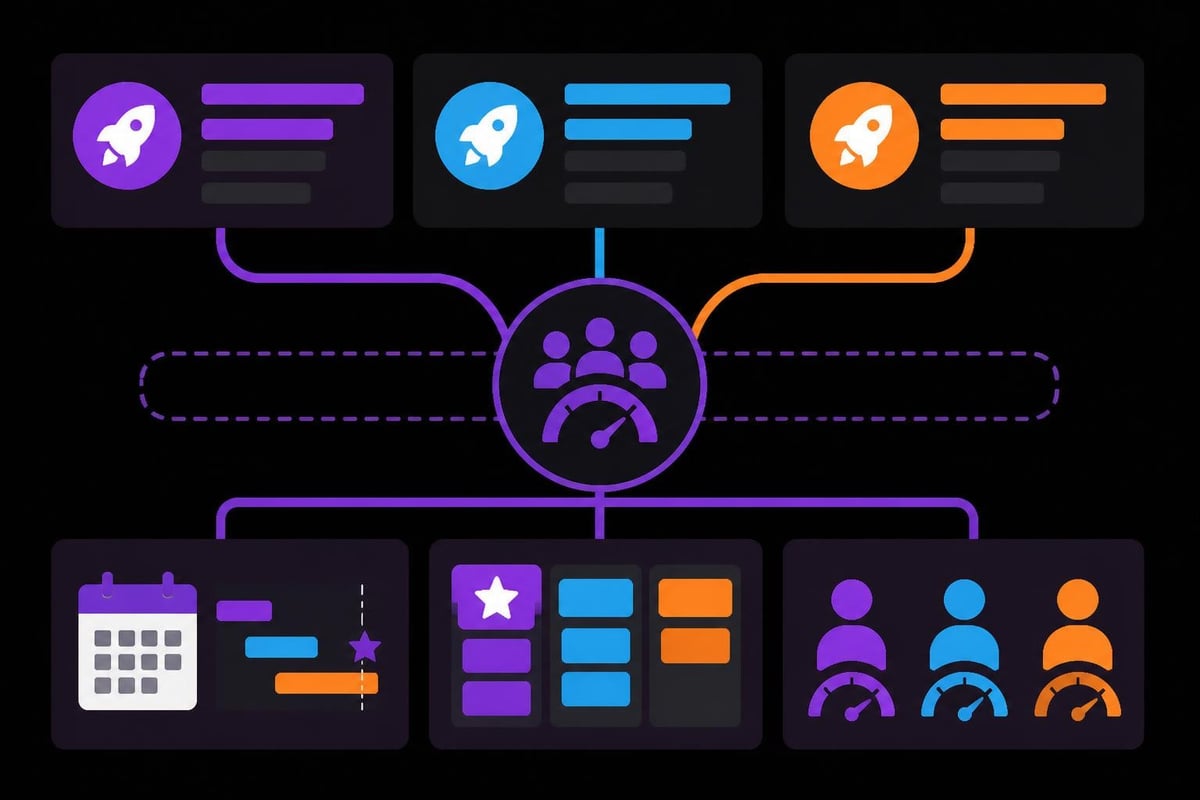
The relationship between quality and capacity forms a crucial consideration. Pushing against engineering cap limits often forces trade-offs. Teams might compromise on testing depth, skip documentation, or accumulate technical debt to meet deadlines. Understanding these trade-offs helps organizations make informed decisions about scope and timing.
Strategic Approaches to Managing Engineering Caps
Effective engineering cap management requires systematic approaches rather than reactive scrambling. Organizations that master capacity planning achieve more predictable delivery while maintaining quality standards. The foundation lies in accurate estimation and transparent communication about constraints.
Capacity Planning Frameworks
| Framework Type | Primary Focus | Best Used For |
|---|---|---|
| Sprint-based allocation | Short-term predictability | Agile teams with regular releases |
| Quarterly roadmapping | Strategic alignment | Product planning and stakeholder management |
| Resource pooling | Flexibility across projects | Organizations with multiple concurrent initiatives |
| Skill-based assignment | Expertise optimization | Specialized technical projects |
Implementing robust capacity planning starts with honest assessment. Teams must track actual velocity against estimates, identifying patterns in where engineering cap constraints emerge. This data-driven approach reveals whether bottlenecks stem from insufficient personnel, inadequate tooling, or unrealistic scoping.
Prioritization becomes paramount when facing engineering cap limits. Not every feature deserves equal resource allocation. Frameworks like RICE (Reach, Impact, Confidence, Effort) or value-versus-complexity matrices help teams focus limited capacity on high-impact work. For businesses building multiple product types, from web dashboards to blockchain infrastructure, clear prioritization prevents resource fragmentation.
Expanding Effective Capacity
Organizations can increase their effective engineering cap through several strategic approaches:
- Process optimization: Eliminating waste in development workflows frees capacity without adding headcount
- Automation investment: Building internal tools and CI/CD pipelines multiplies team effectiveness
- Knowledge sharing: Cross-training team members reduces dependency on specialized individuals
- Technical debt management: Allocating capacity to reduce complexity prevents future slowdowns
- Strategic partnerships: Engaging specialized foundries for specific capabilities extends internal capacity
The concept of engineering tolerance applies metaphorically here. Just as mechanical systems require specified tolerances for proper function, engineering teams need buffer capacity for unexpected challenges. Scheduling to 100% utilization leaves no room for critical bugs, production incidents, or strategic pivots.
Engineering Cap in Distributed Systems and Modern Architecture
Modern product development introduces unique engineering cap challenges, particularly in distributed systems and cloud-native architectures. The CAP theorem in distributed systems demonstrates theoretical limits that mirror practical capacity constraints teams face. Understanding these limitations helps architects design systems that work within realistic boundaries.
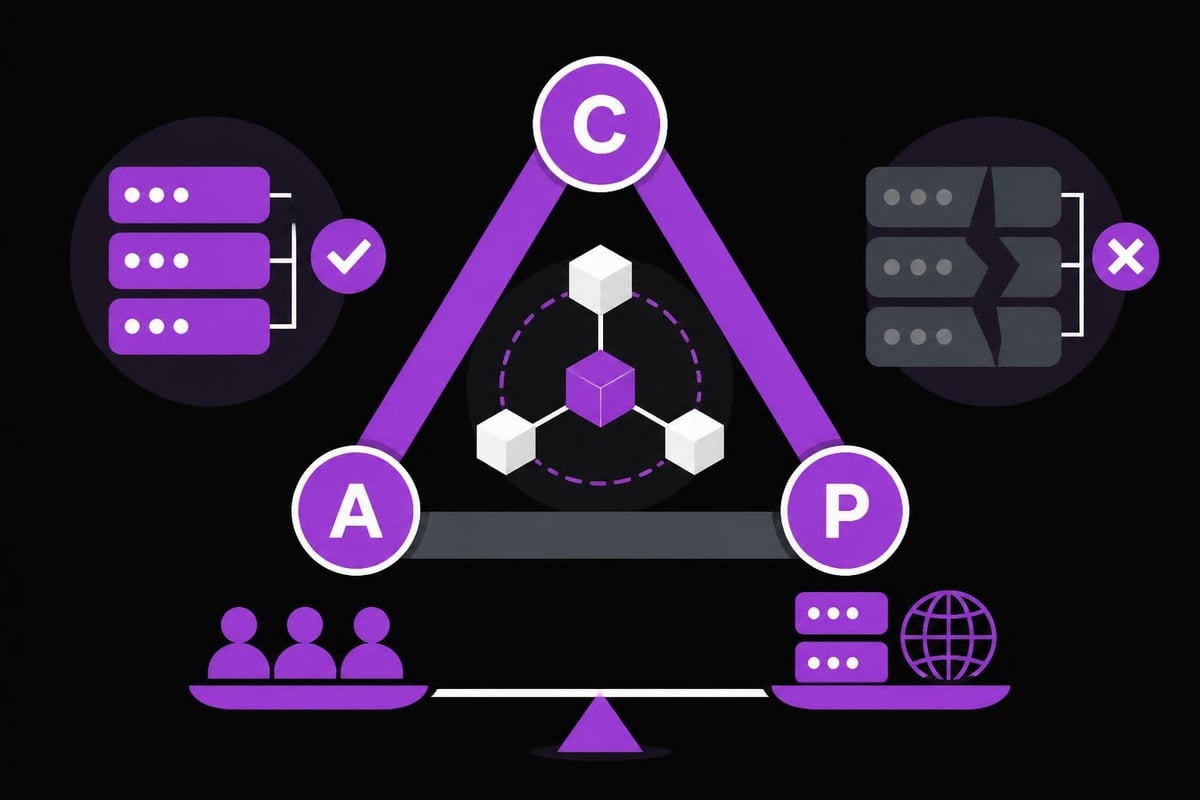
When building blockchain applications or payment rails, engineering cap constraints intersect with technical limitations. A team might have capacity to develop a smart contract platform but face caps in security audit expertise or blockchain infrastructure knowledge. These specialized requirements often exceed general engineering resources.
Scaling Considerations
Vertical versus horizontal scaling applies to engineering teams as much as technical infrastructure. Adding more engineers (horizontal scaling) doesn't linearly increase capacity due to communication overhead. A team of eight might be less than twice as productive as a team of four. Understanding these diminishing returns helps organizations optimize team structure.
Cloud infrastructure decisions directly impact engineering cap utilization. Serverless architectures can reduce operational overhead, freeing engineering capacity for feature development. Conversely, managing complex Kubernetes clusters might consume significant capacity that could otherwise build product functionality.
For organizations building AI systems or developing sophisticated web applications, infrastructure choices compound over time. Early architectural decisions that seemed to save capacity can create technical debt that later consumes even more resources to maintain or refactor.
Project Scoping Within Engineering Cap Constraints
Realistic project scoping represents the most critical application of engineering cap awareness. Overly ambitious scopes inevitably collide with capacity reality, producing delays, quality issues, or scope reduction under pressure. Successful product development aligns aspirations with available engineering resources from the outset.
Estimation Techniques and Buffer Management
Accurate estimation remains challenging despite decades of software engineering evolution. Teams typically underestimate complexity by 20-50%, creating immediate engineering cap conflicts. Incorporating systematic buffers acknowledges uncertainty while maintaining credibility with stakeholders.
- Break large initiatives into smaller, measurable increments
- Use historical velocity data rather than wishful thinking
- Account for operational overhead beyond pure feature development
- Include time for code review, testing, and deployment activities
- Reserve capacity for production support and incident response
MVP thinking becomes essential when engineering cap constraints limit what teams can build. Identifying the minimum feature set that delivers core value allows products to reach market faster while preserving capacity for iteration based on user feedback. This approach particularly benefits startups and new product initiatives where market validation matters more than feature completeness.
When building SaaS MVPs or launching new digital products, the engineering cap often dictates release strategy. Phased rollouts spread capacity requirements across time while generating revenue and feedback earlier. This approach converts engineering cap from a pure constraint into a forcing function for focused execution.
Resource Allocation Across Multiple Initiatives
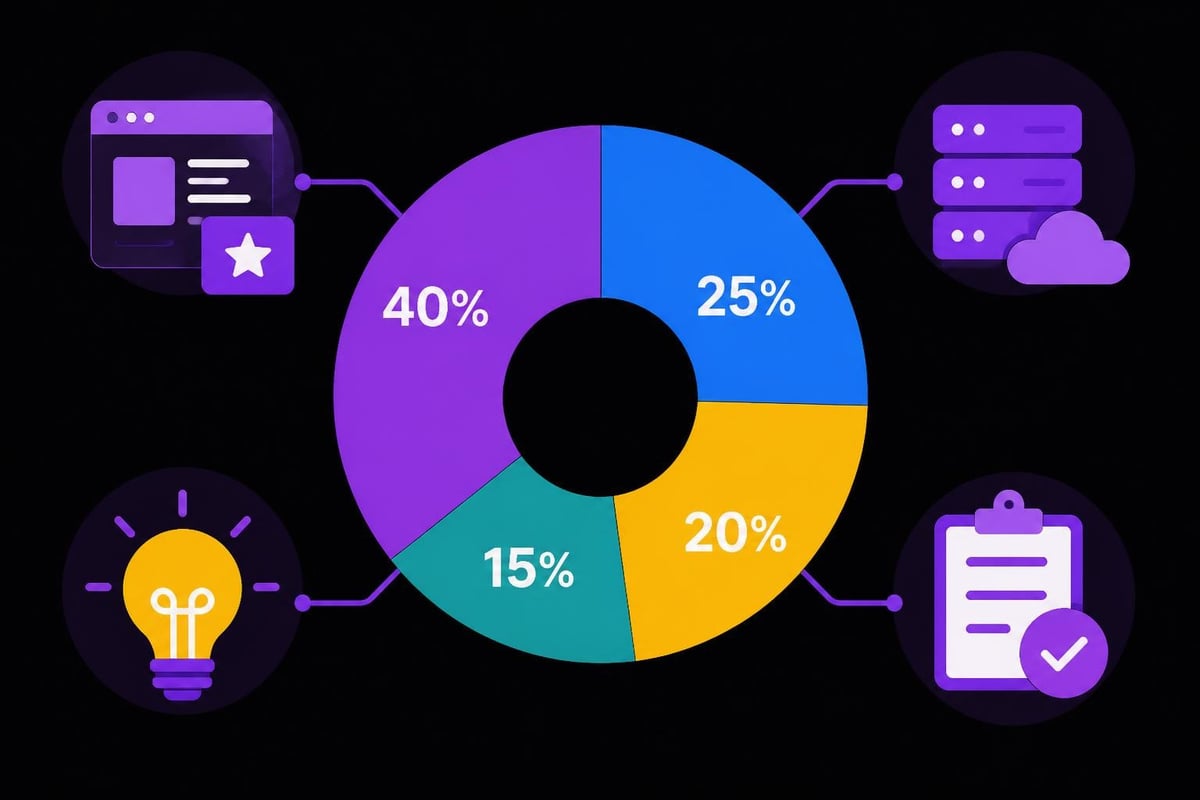
Organizations rarely work on single projects. Engineering cap management becomes exponentially more complex when allocating limited resources across multiple concurrent initiatives. Portfolio management requires balancing strategic priorities, team capabilities, and market opportunities within total capacity constraints.
| Project Type | Typical Capacity Allocation | Strategic Purpose |
|---|---|---|
| Core product features | 40-50% | Competitive differentiation and user growth |
| Technical infrastructure | 20-25% | Scalability and operational excellence |
| Innovation/R&D | 10-15% | Future capabilities and market positioning |
| Technical debt reduction | 10-15% | Sustainable velocity maintenance |
| Production support | 10-15% | User satisfaction and system reliability |
This allocation framework provides a starting point, but specific percentages vary based on product maturity, market conditions, and organizational strategy. Early-stage products might allocate more heavily toward feature development, while mature platforms invest more in infrastructure and optimization.
Context switching costs consume additional engineering cap when teams juggle multiple projects. Research indicates that switching between tasks can reduce productivity by 20-40%. Minimizing these costs through dedicated team assignments or timeboxed focus periods preserves effective capacity.
For businesses building diverse products like games, smart contracts, and AI systems simultaneously, dedicated teams for each domain often outperform shared resource pools. This specialization reduces context switching while building deep expertise, ultimately expanding effective engineering cap despite appearing to limit flexibility.
Technology Choices and Engineering Cap Impact
Technology stack decisions profoundly influence engineering cap utilization. Choosing frameworks, languages, and platforms determines how efficiently teams can build and maintain products. A well-matched tech stack multiplies engineering effectiveness, while misaligned choices consume capacity in complexity management and workarounds.
Framework Selection Criteria
Modern development offers countless framework options, each with engineering cap implications. React versus Vue for frontend development, Node.js versus Python for backend services, PostgreSQL versus MongoDB for data persistence-these choices affect how much teams can accomplish with available capacity.
Developer familiarity represents a critical factor. Adopting trendy technologies that team members must learn reduces effective capacity during the learning curve. Conversely, leveraging existing expertise accelerates development. Balancing innovation with pragmatism optimizes engineering cap utilization.
When building web applications or developing internal tools, selecting battle-tested frameworks with robust ecosystems prevents capacity drain on solving common problems. Comprehensive documentation, active communities, and available libraries extend what teams can accomplish within engineering cap constraints.
Open-source versus proprietary technology decisions similarly impact capacity. Open-source tools typically offer flexibility and community support but may require more engineering effort for customization and maintenance. Proprietary solutions provide polish and support but can limit customization options and create vendor dependencies.
Team Structure Optimization for Maximum Effective Capacity
How organizations structure engineering teams directly determines how much value they extract from available capacity. Traditional hierarchical structures, cross-functional product teams, and specialized guilds each optimize for different aspects of engineering cap utilization.
Organizational Models
- Feature teams: Cross-functional groups owning specific product areas end-to-end
- Component teams: Specialists focused on particular technology layers or systems
- Matrix structures: Dual reporting combining functional expertise with project alignment
- Pod models: Small, autonomous units with complete capability stacks
- Platform teams: Shared services groups enabling feature teams to move faster
Feature teams typically maximize delivery velocity within their domains but can create duplication across the organization. Component teams build deep expertise and reusable systems but may slow cross-cutting initiatives requiring coordination. Understanding these trade-offs helps organizations structure teams appropriately for their engineering cap constraints and strategic goals.
Team size optimization follows from both research and practical experience. Amazon's "two-pizza team" rule suggests groups small enough to feed with two pizzas (roughly 6-8 people) maintain optimal communication and coordination. Larger teams face quadratically increasing communication overhead that consumes engineering cap without proportional productivity gains.
For specialized work like controls engineering or blockchain development, smaller teams of domain experts often outperform larger generalist groups. The engineering cap constraint becomes expertise depth rather than raw hours, making team composition more important than size.
Measuring and Tracking Engineering Capacity
What gets measured gets managed. Organizations that systematically track engineering cap utilization make better decisions about commitments, hiring, and process improvements. Effective metrics balance quantitative data with qualitative insights about team health and product quality.
Key Capacity Metrics
| Metric | What It Measures | Typical Target |
|---|---|---|
| Sprint velocity | Story points or features completed per sprint | Stable trend over time |
| Cycle time | Hours from work start to completion | Decreasing or stable |
| Work-in-progress limits | Concurrent tasks per person/team | 1-3 items per engineer |
| Deployment frequency | Release cadence to production | Daily to weekly |
| Lead time for changes | Commit to production deployment | Hours to days |
These metrics reveal engineering cap utilization patterns and identify improvement opportunities. Consistently missing velocity targets suggests overcommitment or estimation issues. Increasing cycle times indicate process problems or complexity accumulation consuming capacity.
Qualitative assessments complement quantitative metrics. Regular retrospectives surface capacity drains that numbers miss: unclear requirements, excessive meetings, tool frustrations, or architectural friction. Addressing these qualitative factors often yields more engineering cap improvements than simply adding headcount.
Tracking capacity at multiple granularities provides comprehensive visibility. Individual sprint planning, quarterly capacity modeling, and annual strategic planning each serve distinct purposes. This multi-horizon approach helps teams maintain tactical execution while enabling strategic resource allocation.
External Partnership Models for Capacity Extension
Organizations facing persistent engineering cap constraints have alternatives to traditional hiring. Strategic partnerships with specialized development firms, fractional engineering arrangements, and on-demand technical teams provide flexible capacity extension without long-term overhead commitments.
When to Consider External Capacity
- Specialized expertise needs: Technologies or domains outside internal team capabilities
- Temporary demand spikes: Product launches or time-bound initiatives requiring extra capacity
- Speed-to-market pressure: Competitive situations demanding faster delivery than internal capacity allows
- Exploratory projects: Validating new product ideas before committing internal resources
- Operational scaling: Growing user base requiring infrastructure work beyond current team bandwidth
Working with product engineering specialists or comprehensive development foundries extends effective engineering cap without the overhead of recruiting, onboarding, and potentially laying off internal staff when demand normalizes. This approach particularly benefits mid-sized companies lacking the scale for dedicated specialists across all technology domains.
Quality and integration considerations become paramount with external partnerships. Clear communication protocols, well-defined interfaces, and comprehensive documentation ensure external capacity augments rather than complicates internal operations. The best partnerships feel like team extension rather than vendor management.
For businesses building diverse product portfolios requiring expertise in multiple domains-from UI engineering to smart contract development to AI implementation-external specialists often deliver better outcomes than stretching generalist internal teams beyond their engineering cap in expertise.
Future Trends Affecting Engineering Cap Management
The landscape of engineering capacity management continues evolving with technological advancement and industry practices. Understanding emerging trends helps organizations prepare for shifting constraints and opportunities in how they utilize engineering resources.
AI-assisted development represents perhaps the most significant shift in engineering cap dynamics. Tools like GitHub Copilot, ChatGPT for code generation, and AI-powered testing frameworks multiply individual developer productivity. Early evidence suggests these tools increase effective capacity by 20-40% for routine coding tasks, though their impact on system design and architectural decisions remains limited.
Low-code and no-code platforms similarly expand what non-engineers can accomplish, potentially reducing demand on scarce engineering cap for certain use cases. However, these platforms introduce their own constraints around customization, integration, and long-term maintainability that organizations must weigh carefully.
Remote and distributed work models fundamentally alter engineering cap management. Geographic constraints disappear, enabling access to global talent pools. However, distributed teams face communication and coordination challenges that can reduce effective capacity if not managed thoughtfully. Asynchronous communication patterns, comprehensive documentation, and intentional collaboration rituals become essential.
The continued evolution of cloud platforms and managed services shifts engineering cap from infrastructure management toward product differentiation. Serverless computing, managed databases, and platform-as-a-service offerings reduce operational overhead, freeing capacity for feature development. This trend accelerates the importance of architectural decisions in determining effective engineering cap.
Understanding and managing your engineering cap determines the difference between sustainable product development and perpetual firefighting. By implementing systematic capacity planning, making informed technology choices, optimizing team structures, and strategically extending resources through partnerships, organizations maximize their effective engineering capacity while maintaining quality and team health. Absolute Foundry specializes in extending engineering capacity for businesses worldwide, offering end-to-end product development from games and smart contracts to AI systems and payment infrastructure, allowing you to scale technical capabilities without the overhead of building internal teams across every specialty. Whether you need to augment existing capacity or build entirely new products, our Singapore-based foundry acts as your on-demand tech department.