Component Engineer: Roles, Responsibilities & Best Practices
The modern technology landscape demands precision, reliability, and systematic thinking when building complex digital products. A component engineer serves as the critical bridge between individual parts and complete systems, ensuring that every element works harmoniously to create robust, scalable solutions. Whether designing hardware components for physical devices or software modules for digital platforms, this role requires a unique blend of technical expertise, strategic planning, and meticulous attention to detail. As businesses increasingly rely on sophisticated technology stacks spanning smart contracts, AI systems, payment rails, and interactive dashboards, the importance of skilled component engineers continues to grow exponentially.
Understanding the Component Engineer Role
A component engineer functions as both architect and guardian of system integrity. These professionals analyze, select, validate, and maintain components that form the foundation of larger systems. Their work extends beyond simple part selection to encompass lifecycle management, risk assessment, and performance optimization.
Core Responsibilities
The daily work of a component engineer varies based on industry and specialization, but several fundamental responsibilities remain constant across sectors:
- Component selection and evaluation based on technical specifications, cost considerations, and long-term availability
- Design validation to ensure components meet performance requirements under various conditions
- Documentation creation for specifications, integration guidelines, and maintenance procedures
- Supplier relationship management to secure reliable sourcing and negotiate favorable terms
- Lifecycle monitoring to identify obsolescence risks and plan component updates
Apple's component engineer position demonstrates how major technology companies structure this role, emphasizing the importance of cross-functional collaboration and technical excellence. The position requires deep analytical skills combined with practical engineering knowledge.
Hardware versus Software Component Engineering
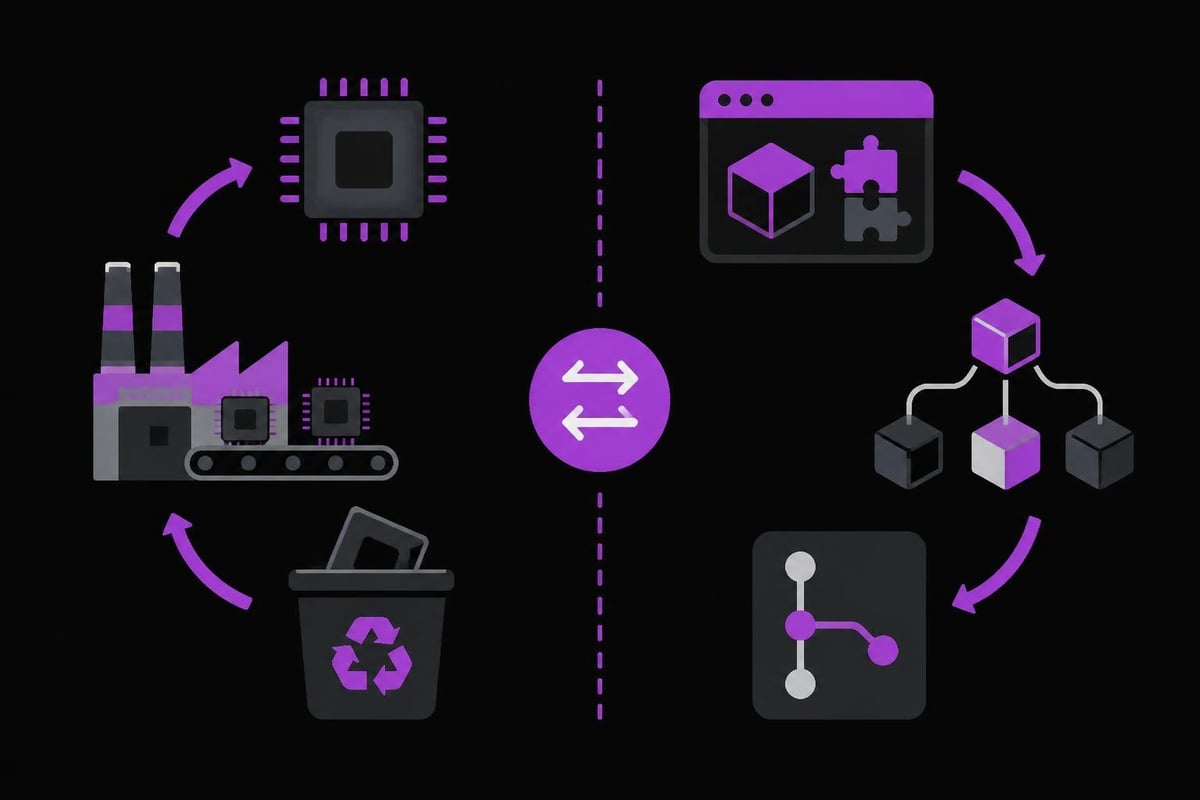
Component engineers work in both hardware and software domains, each presenting unique challenges and opportunities.
| Aspect | Hardware Components | Software Components |
|---|---|---|
| Lifecycle | 5-15+ years | 6 months - 5 years |
| Testing Focus | Physical stress, temperature, voltage | Performance, security, compatibility |
| Obsolescence Risk | Manufacturing discontinuation | Framework deprecation, API changes |
| Integration Complexity | Physical placement, electrical signals | Dependencies, version conflicts |
Software component engineering has become increasingly critical as applications grow more complex. When building web apps, engineers must carefully select UI frameworks, state management libraries, and backend services that work together seamlessly while maintaining performance and security standards.
Essential Skills for Component Engineers
Success in component engineering demands a diverse skill set spanning technical knowledge, business acumen, and communication capabilities. The role requires both depth and breadth of expertise.
Technical Competencies
Component engineers must master several technical domains to perform effectively:
System Architecture Understanding: Knowledge of how individual components interact within larger systems enables better design decisions. This includes understanding data flow, signal integrity, power distribution, and communication protocols.
Materials Science and Engineering Principles: For hardware-focused roles, understanding material properties, thermal characteristics, and mechanical stress factors proves essential. Software engineers need equivalent knowledge of programming paradigms, design patterns, and performance optimization.
Testing and Validation Methodologies: Rigorous testing ensures components meet specifications under real-world conditions. This includes stress testing, compatibility verification, and failure mode analysis.
Standards and Compliance: Component engineers must stay current with industry standards, regulatory requirements, and certification processes relevant to their domain.
Following best practices for PCB component placement demonstrates the level of detail required in hardware component engineering, where placement decisions directly impact system performance and reliability.
Analytical and Problem-Solving Abilities
The component engineer role demands strong analytical thinking to address complex challenges:
- Root cause analysis when components fail or underperform
- Risk assessment for component selection and lifecycle planning
- Trade-off evaluation balancing cost, performance, availability, and reliability
- Predictive analysis for obsolescence planning and technology transitions
- Data interpretation from testing results, supplier specifications, and field performance
These analytical skills prove especially valuable when working with cutting-edge technologies. Building smart contract escrow systems requires careful component selection where security vulnerabilities in a single library could compromise the entire application.
Communication and Collaboration
Component engineers rarely work in isolation. Effective communication skills enable them to:
- Translate technical requirements into actionable specifications for suppliers
- Present recommendations to stakeholders with varying technical backgrounds
- Collaborate with design teams to integrate components seamlessly
- Document decisions for future reference and knowledge transfer
- Negotiate with vendors to secure optimal pricing and terms
Component Selection and Validation Process
Choosing the right components represents one of a component engineer's most critical responsibilities. This systematic process ensures optimal outcomes while managing risk.
Selection Criteria Framework
A comprehensive evaluation framework considers multiple dimensions:
| Criteria | Hardware Considerations | Software Considerations |
|---|---|---|
| Performance | Processing speed, power consumption | Execution speed, memory footprint |
| Reliability | MTBF, temperature range | Bug frequency, maintenance activity |
| Cost | Unit price, volume discounts | License fees, support costs |
| Availability | Lead times, multiple sources | Community support, commercial backing |
| Compatibility | Form factor, pin configuration | API stability, framework integration |
The best practices in electronics component engineering provide detailed guidance on implementing robust selection processes that minimize risk while optimizing performance.
Validation and Testing Procedures
After selecting components, thorough validation confirms they meet requirements:
- Functional testing verifies components perform intended operations correctly
- Performance benchmarking measures speed, efficiency, and resource utilization
- Stress testing identifies breaking points and operational limits
- Integration testing ensures compatibility with surrounding system elements
- Long-term reliability testing predicts component lifespan and failure modes
When building production dApps, component validation extends to blockchain integration points, ensuring smart contract libraries and Web3 frameworks handle edge cases gracefully under network congestion or gas price volatility.

Best Practices in Modern Component Engineering
The component engineering field continues evolving as technology advances. Implementing proven best practices helps engineers deliver superior results consistently.
Lifecycle Management and Obsolescence Planning
Proactive lifecycle management prevents costly disruptions:
- Monitor component lifecycles from announcement through end-of-life
- Establish dual-source strategies for critical components to reduce supply risk
- Create obsolescence roadmaps planning transitions before discontinuation
- Maintain component libraries documenting approved parts and alternatives
- Implement change control processes governing component substitutions
This systematic approach proves especially valuable in long-term projects. Product design engineers rely on component engineers to ensure systems remain maintainable throughout their operational lifespan.
Standardization and Reusability
Creating standardized component libraries accelerates development while improving quality:
Component Catalogs: Maintain approved component lists with detailed specifications, use cases, and integration guidelines. This reduces redundant evaluation work and leverages proven solutions.
Design Patterns: Document successful component integration patterns that solve common challenges. The component style guidelines from Apache Superset exemplify how standardization improves consistency and maintainability.
Modular Architecture: Design systems with clear component boundaries enabling independent updates. When building UI, this modularity allows teams to iterate on specific elements without risking system-wide regressions.
Documentation and Knowledge Management
Comprehensive documentation preserves institutional knowledge:
- Technical specifications detailing component capabilities and limitations
- Integration guides explaining proper implementation procedures
- Decision rationale capturing why specific components were selected
- Troubleshooting resources documenting common issues and solutions
- Lessons learned sharing insights from past successes and failures
Quality documentation becomes particularly valuable when scaling teams or onboarding new engineers who need to understand existing component decisions quickly.
Component Engineering in Software Development
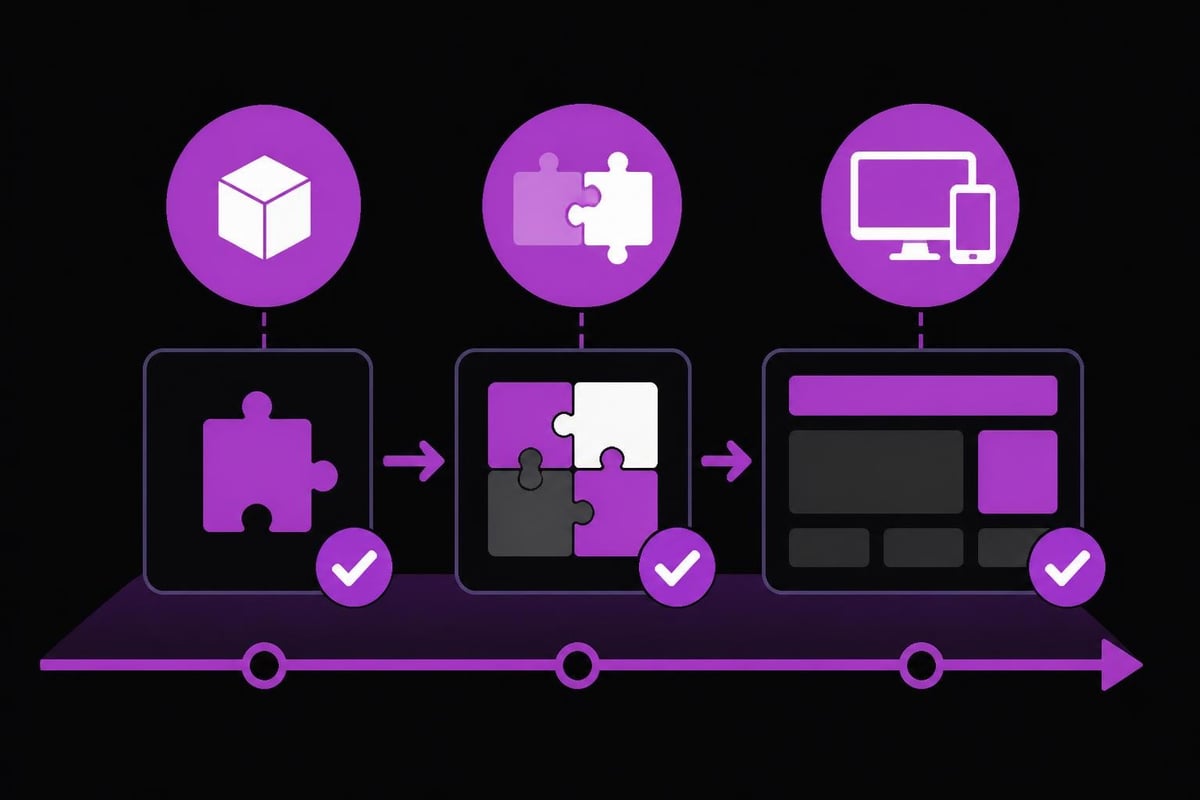
Software component engineering has emerged as a distinct discipline with unique methodologies and challenges. The principles of component-driven development guide modern software architecture decisions.
Microservices and Modular Architectures
Contemporary software systems increasingly adopt component-based architectures:
Microservices Architecture: Breaking applications into independent services that communicate through well-defined APIs. Each service acts as a component managed separately for deployment, scaling, and maintenance.
Frontend Component Libraries: Creating reusable UI components that maintain consistency across applications. When building SaaS MVPs, well-designed component libraries dramatically accelerate development timelines.
API-First Design: Treating APIs as primary components that define system boundaries and enable integration. This approach proves essential when building stablecoin payment rails where multiple services must interact reliably.
Dependency Management
Software component engineers must carefully manage dependencies:
- Version control ensuring compatible library versions across the system
- Security monitoring tracking vulnerabilities in third-party components
- Update strategies balancing new features against stability risks
- License compliance verifying component licenses align with project requirements
- Performance impact measuring how dependencies affect application speed and resource usage
The research on computational best practices highlights how systematic dependency management improves reliability in data-intensive applications.
Testing Frameworks and Quality Assurance
Software component engineers implement rigorous testing:
- Unit testing validates individual component functionality in isolation
- Integration testing verifies components work together correctly
- Regression testing ensures updates don't break existing functionality
- Performance testing measures component efficiency under load
- Security testing identifies vulnerabilities in components and dependencies
When building AI hedge fund systems, component testing becomes mission-critical as errors could result in significant financial losses.
Emerging Trends Shaping Component Engineering
The component engineering field continues evolving alongside technological advancement. Several key trends will shape the profession through 2026 and beyond.
AI-Powered Component Selection
Artificial intelligence is transforming how component engineers make decisions:
Automated Recommendations: Machine learning algorithms analyze historical data, performance metrics, and project requirements to suggest optimal components. These systems learn from past successes and failures, improving recommendations over time.
Predictive Maintenance: AI models predict component failures before they occur, enabling proactive replacement strategies. This capability reduces downtime and extends system lifespans.
Intelligent Testing: Automated testing frameworks use AI to identify edge cases and potential failure modes that human testers might miss.
The adoption of software engineering best practices in machine learning demonstrates how AI enhances traditional engineering workflows while introducing new considerations for component engineers.
Sustainability and Environmental Considerations
Environmental responsibility increasingly influences component decisions:
- Energy efficiency requirements favoring low-power components
- Material sourcing preferences for ethically obtained and recyclable materials
- Lifecycle environmental impact considering manufacturing, operation, and disposal
- Circular economy principles designing for component reuse and refurbishment
- Carbon footprint tracking measuring and minimizing environmental costs
Component engineers now balance performance and cost with environmental stewardship, recognizing sustainability as a competitive advantage.
Specialized Domain Expertise
As technology diversifies, component engineers increasingly specialize in specific domains:
Blockchain and Web3: Engineers focusing on smart contract components, consensus mechanisms, and decentralized storage solutions. Understanding how to build crypto iGaming platforms requires specialized component knowledge around provable fairness and transaction efficiency.
AI and Machine Learning: Specialists selecting neural network architectures, training frameworks, and inference optimization components. AI automation demands careful component choices balancing accuracy, speed, and resource consumption.
Payment Systems: Experts in payment gateway integration, fraud detection components, and regulatory compliance systems requiring deep domain knowledge.
IoT and Edge Computing: Engineers optimizing for constrained environments with limited power, processing, and connectivity.
This specialization enables deeper expertise while creating opportunities for cross-pollination between domains.
Career Development and Professional Growth
Component engineers can pursue multiple career pathways depending on their interests and strengths. Understanding these options helps professionals plan their development strategically.
Advancement Opportunities
Career progression typically follows several trajectories:
- Technical depth becoming senior specialists with deep expertise in specific component types
- Management track leading component engineering teams and strategic planning
- Architecture roles designing system-level solutions integrating multiple component domains
- Consulting positions advising organizations on component strategy and implementation
- Product management translating technical capabilities into market opportunities
Many component engineers eventually transition into broader roles like product design engineering where they influence entire product lifecycles.
Continuous Learning Requirements
The rapid pace of technological change demands ongoing education:
Certification Programs: Industry certifications validate expertise and demonstrate commitment to professional development. Relevant certifications vary by specialization but may include quality management, specific technologies, or safety standards.
Industry Conferences: Events like design automation conferences, embedded systems shows, or software architecture summits provide exposure to emerging trends and networking opportunities.
Technical Publications: Regular reading of journals, whitepapers, and technical blogs keeps engineers current with latest developments and best practices.
Hands-On Experimentation: Personal projects and prototyping with new components build practical experience complementing theoretical knowledge.
Building a Professional Network
Networking creates opportunities and knowledge-sharing channels:
- Professional associations connecting engineers across organizations and industries
- Online communities facilitating discussion and problem-solving
- Supplier relationships providing early access to new technologies
- Cross-functional collaboration exposing engineers to adjacent disciplines
- Mentorship programs both receiving guidance and developing others
Strong networks accelerate career growth and provide support during challenging projects.
Practical Implementation Strategies
Translating component engineering principles into actionable practices requires systematic approaches tailored to organizational context.
Establishing Component Engineering Processes
Organizations benefit from formalized component engineering workflows:
Evaluation Templates: Standardized assessment criteria ensure consistent component evaluation across projects. Templates should cover technical specifications, business considerations, and risk factors.
Approval Workflows: Clear processes governing who approves component selections prevent unauthorized substitutions while maintaining decision velocity.
Change Management: Procedures for handling component updates, replacements, and obsolescence ensure controlled transitions minimizing disruption.
Quality Gates: Checkpoints throughout the development lifecycle verify component integration meets standards before proceeding to subsequent phases.
When developing sites or complex applications, these processes prevent technical debt accumulation and maintain system quality.
Tools and Technology Stack
Component engineers rely on specialized tools:
| Tool Category | Purpose | Examples |
|---|---|---|
| Component Databases | Centralized specifications and availability tracking | PLM systems, component libraries |
| Simulation Software | Virtual testing before physical prototyping | SPICE, finite element analysis |
| Version Control | Managing component specifications and changes | Git, specialized CAD tools |
| Testing Equipment | Validation and characterization | Oscilloscopes, load testers |
| Documentation Platforms | Knowledge management and collaboration | Wikis, design repositories |
Investing in appropriate tooling multiplies engineer productivity while improving output quality.
Metrics and Performance Measurement
Quantifying component engineering effectiveness guides improvement:
- Time-to-selection measuring efficiency of evaluation processes
- First-pass success rate tracking how often initial component choices succeed
- Cost variance comparing actual versus projected component costs
- Obsolescence incidents counting unexpected component discontinuations
- Defect rates measuring component-related failures in production
These metrics identify improvement opportunities and demonstrate component engineering value to stakeholders. Teams working on web dashboards can apply similar measurement approaches to software component performance.
Component engineers serve as essential architects ensuring system reliability, performance, and longevity through thoughtful selection, validation, and lifecycle management of critical components. Their expertise spans technical domains, business considerations, and strategic planning, making them invaluable to organizations building complex technology solutions. Whether you're developing blockchain applications, AI systems, or sophisticated web platforms, partnering with experienced engineers who understand component-level decisions can dramatically improve outcomes. Absolute Foundry brings deep component engineering expertise across hardware and software domains, helping businesses worldwide build robust, scalable solutions while focusing on market growth rather than technical complexity.