Product Design Engineer: Role, Skills & Career Path
The role of a product design engineer has evolved dramatically in 2026, becoming one of the most crucial positions in technology-driven companies. These professionals bridge the gap between creative design thinking and technical engineering execution, transforming innovative concepts into market-ready products. As companies increasingly recognize that exceptional products require both aesthetic appeal and technical excellence, the demand for skilled product design engineers continues to surge across industries ranging from consumer electronics to blockchain applications and AI-powered solutions.
Understanding the Product Design Engineer Role
A product design engineer combines the creative aspects of design with the analytical rigor of engineering to develop products that are both functional and manufacturable. This hybrid role requires professionals to think like designers while maintaining the technical precision of engineers.
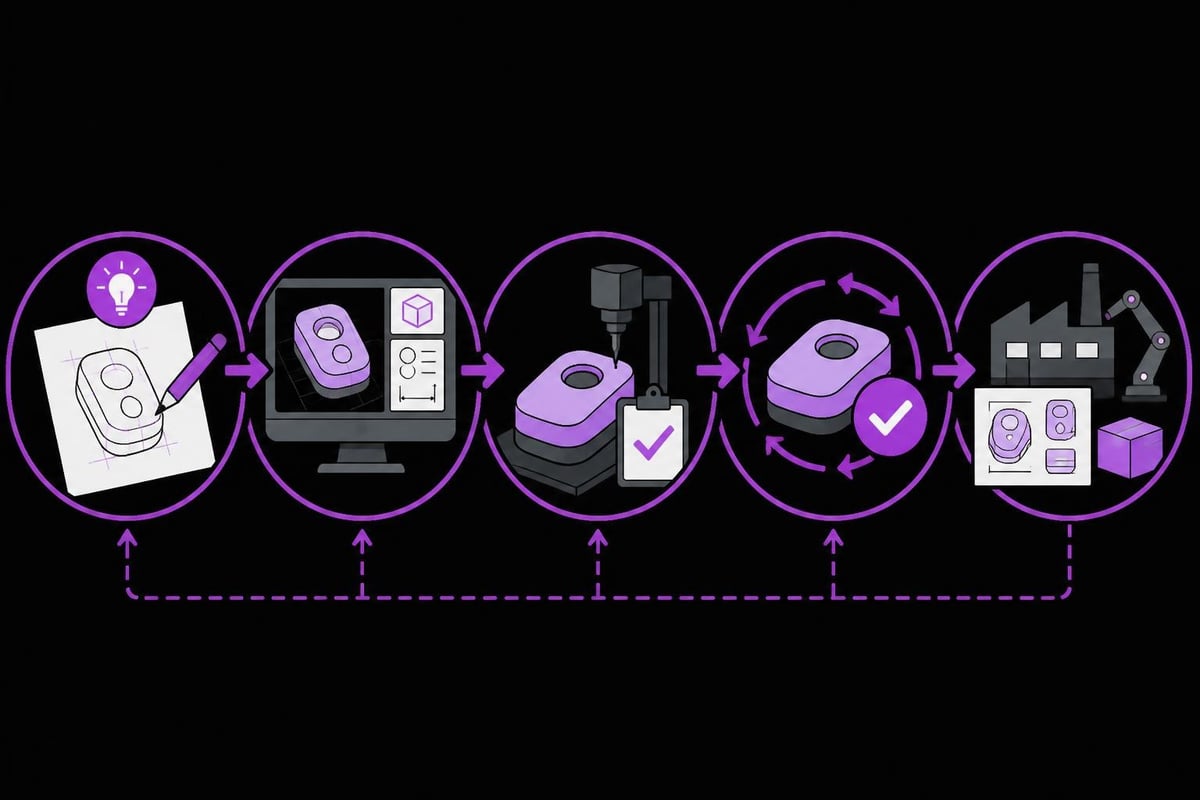
The position encompasses responsibilities that span the entire product lifecycle, from initial concept sketches to final production specifications. Product design engineers work at the intersection of multiple disciplines, requiring them to communicate effectively with industrial designers, mechanical engineers, software developers, and manufacturing teams.
Core Responsibilities and Daily Activities
The day-to-day work of a product design engineer varies significantly based on the industry and project phase, but several core activities remain consistent across most positions:
- Creating detailed CAD models and technical drawings using industry-standard software
- Conducting feasibility studies to evaluate design concepts against technical constraints
- Developing prototypes using various fabrication methods including 3D printing and CNC machining
- Performing simulations and analyses to validate design decisions
- Collaborating with cross-functional teams to balance aesthetic, functional, and cost requirements
- Preparing comprehensive design specifications and documentation
When building internal tools or customer-facing products, product design engineers must consider user experience alongside technical performance. This dual focus distinguishes them from pure mechanical engineers who may prioritize function over form, or industrial designers who might emphasize aesthetics without full consideration of engineering constraints.
Skills That Define Success
The skill set required for a successful product design engineer career combines hard technical abilities with soft skills that enable effective collaboration and innovation.
Technical Competencies:
- Proficiency in CAD software (SolidWorks, CATIA, Fusion 360, or similar platforms)
- Understanding of materials science and manufacturing processes
- Knowledge of mechanical engineering principles including stress analysis, thermodynamics, and kinematics
- Familiarity with simulation tools for structural, thermal, and fluid dynamics analysis
- Experience with rapid prototyping technologies and techniques
- Basic understanding of electronics and electrical systems for integrated products
Essential Soft Skills:
- Problem-solving abilities that allow for creative solutions within technical constraints
- Communication skills to articulate design decisions to both technical and non-technical stakeholders
- Project management capabilities to coordinate multiple workstreams and deadlines
- Adaptability to embrace new technologies and methodologies as they emerge
- Attention to detail ensuring specifications meet exact requirements
The integration of UI engineering principles has become increasingly important for product design engineers working on digital products, particularly when developing dashboards, applications, or connected devices that require seamless hardware-software integration.
The Product Development Process
Product design engineers serve as key orchestrators throughout the development lifecycle, ensuring that products progress smoothly from concept to market launch. Understanding this process helps clarify how the role fits within broader organizational structures.
Concept Development and Ideation
The initial phase involves transforming abstract ideas into concrete design directions. Product design engineers participate in brainstorming sessions, sketch multiple concepts, and create preliminary models to explore different approaches.
During this stage, they must consider:
| Consideration | Key Questions | Impact on Design |
|---|---|---|
| User Needs | What problems does this solve? | Defines core functionality |
| Technical Feasibility | Can we build this with available technology? | Sets realistic constraints |
| Manufacturing Capability | How will we produce this at scale? | Influences materials and assembly |
| Cost Targets | What price point makes this viable? | Determines component selection |
| Market Timing | When does this need to launch? | Affects complexity and scope |
This structured approach to concept development ensures that product design efforts remain grounded in business realities while still pushing creative boundaries.
Detailed Design and Engineering
Once a concept gains approval, product design engineers develop comprehensive technical specifications. This phase transforms rough sketches into precise manufacturing instructions through detailed CAD modeling and engineering analysis.
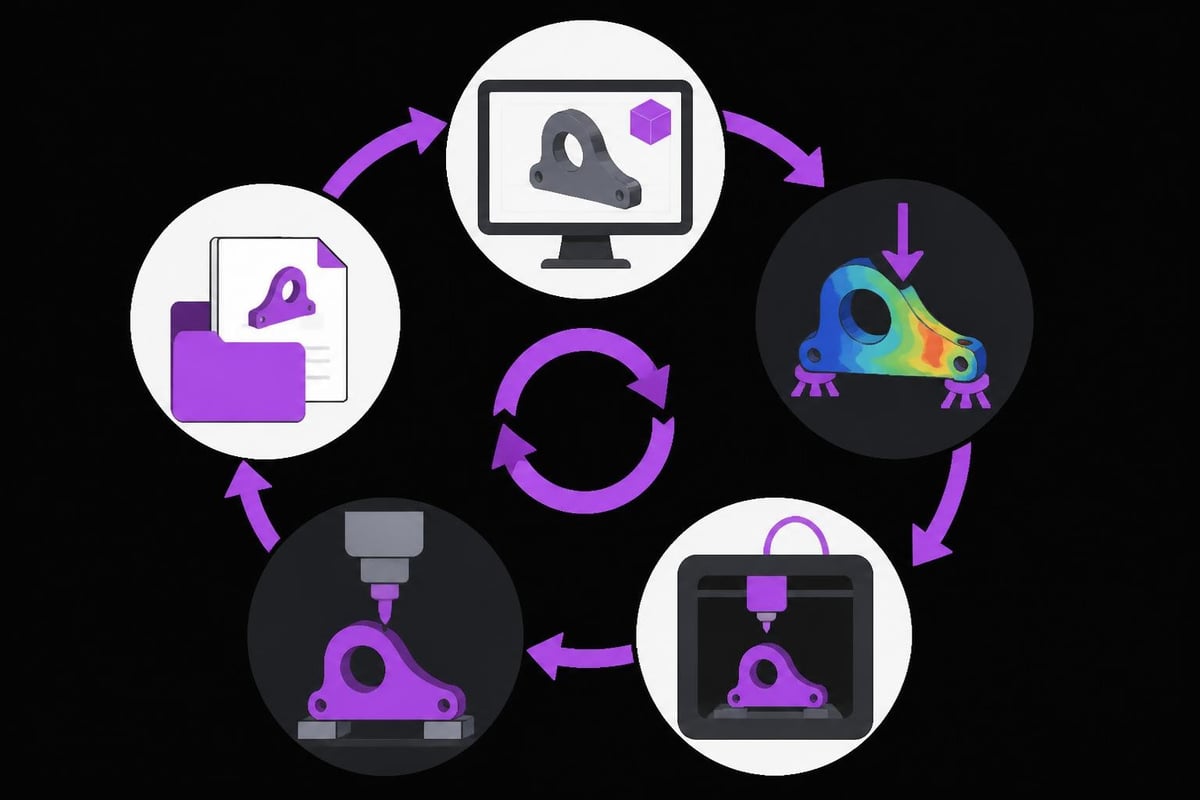
The detailed design phase typically includes creating multiple iterations, each refined based on simulation results and prototype testing. Engineers must document every dimension, tolerance, material specification, and assembly instruction, creating what's known as a design specification that serves as the blueprint for manufacturing.
For digital products like trading dashboards or SaaS MVPs, product design engineers work closely with software developers to ensure that physical interfaces (if any) integrate seamlessly with digital experiences.
Prototyping and Validation
Prototyping represents a critical phase where theoretical designs meet physical reality. Product design engineers oversee the creation of prototypes using various methods depending on the project requirements and budget constraints.
Common Prototyping Approaches:
- Rapid prototyping using 3D printing for quick, low-cost iterations
- Functional prototypes using production-intent materials and processes
- Appearance models focusing on aesthetic validation
- Pre-production units representing near-final products for comprehensive testing
Each prototype generation provides valuable data that informs design refinements. Product design engineers analyze test results, identify failure modes, and implement improvements to enhance performance, reliability, and manufacturability.
Career Pathways and Advancement
The career trajectory for a product design engineer offers multiple progression routes, each aligned with different professional interests and strengths. Understanding these pathways helps professionals make strategic decisions about skill development and specialization.
Entry-Level Positions and Requirements
Most product development engineer positions require at minimum a bachelor's degree in mechanical engineering, industrial design, or a related field. However, the specific requirements vary based on industry and company size.
Typical entry-level qualifications include:
- Degree in mechanical engineering, product design, or industrial engineering
- Proficiency in at least one major CAD platform
- Portfolio demonstrating design and engineering projects
- Internship or co-op experience in product development
- Understanding of manufacturing processes and materials
Many successful product design engineers also supplement formal education with certifications in specialized software tools or manufacturing methodologies like Design for Manufacturing (DFM) or Design for Assembly (DFA).
Mid-Career Specializations
As product design engineers gain experience, they often specialize in particular industries, product categories, or technical disciplines. This specialization allows them to develop deep expertise that commands premium compensation and greater responsibility.
| Specialization Area | Focus | Typical Applications |
|---|---|---|
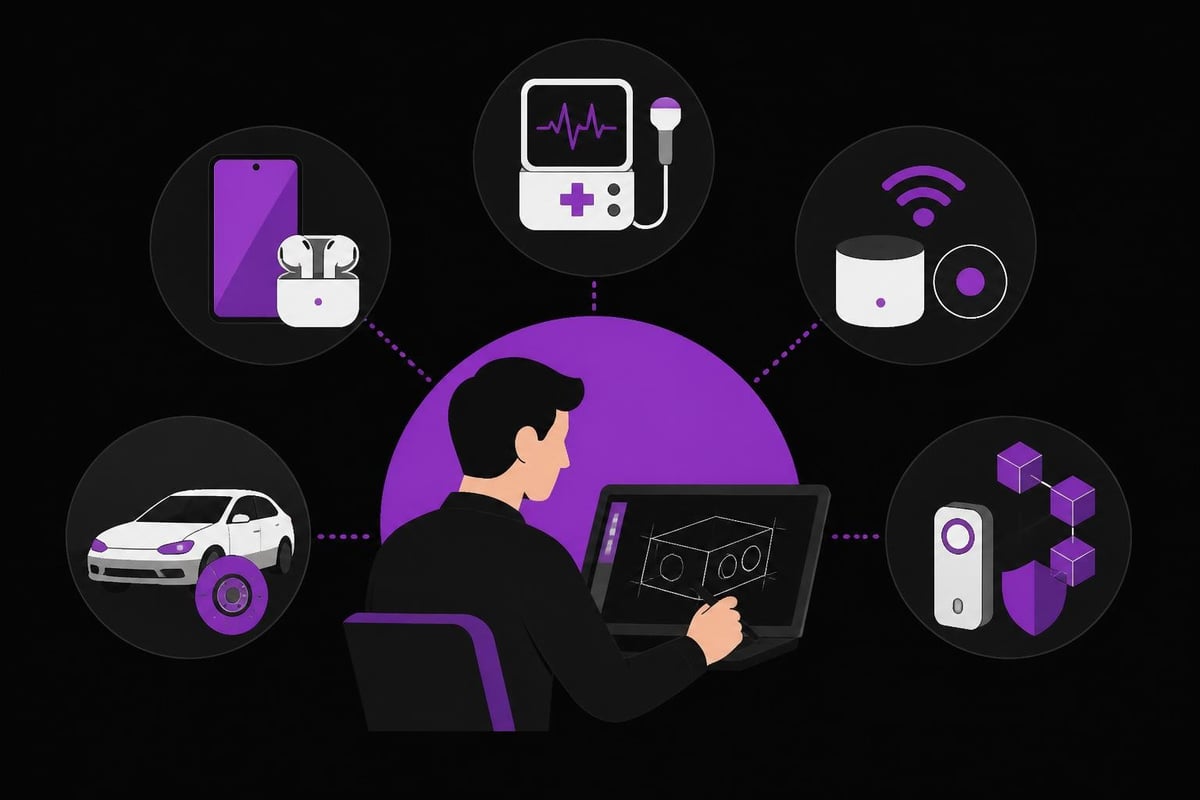
| Consumer Electronics | Miniaturization, aesthetics, user interaction | Smartphones, wearables, IoT devices |
| Medical Devices | Regulatory compliance, biocompatibility, precision | Diagnostic equipment, surgical tools |
| Automotive | Safety, durability, high-volume manufacturing | Vehicle components, interior systems |
| Industrial Equipment | Robustness, serviceability, performance | Machinery, tools, automation systems |
| Digital Products | Hardware-software integration, connectivity | Connected devices, smart systems |
For engineers working with emerging technologies, understanding smart contracts or AI automation can open opportunities in blockchain hardware, AI-powered devices, and other cutting-edge product categories.
Senior Leadership and Management
Senior product design engineers typically progress into one of three distinct career paths: technical leadership, management, or entrepreneurship.
Technical leadership roles involve becoming a principal engineer or chief designer who sets technical direction for entire product lines while mentoring junior team members. These positions maintain hands-on involvement with design work while influencing broader strategic decisions.
Management positions transition engineers into roles like Engineering Manager, Director of Product Development, or VP of Engineering, where they oversee teams, budgets, and portfolios rather than individual products.
Entrepreneurial paths leverage product design expertise to launch startups or consulting practices. Many experienced product design engineers recognize market opportunities during their careers and develop innovative solutions as founders or independent consultants.
Industry Applications and Emerging Trends
The versatility of product design engineering skills enables professionals to work across diverse industries, each presenting unique challenges and opportunities. Understanding how the role manifests in different contexts helps aspiring engineers identify their ideal career direction.
Traditional Manufacturing Sectors
Classic manufacturing industries continue to employ the largest number of product design engineers. These sectors include automotive, aerospace, consumer products, and industrial equipment, where physical products dominate and manufacturing efficiency directly impacts profitability.
In these environments, product design engineers focus heavily on:
- Design for Manufacturing (DFM) principles to reduce production costs
- Material selection balancing performance, weight, and expense
- Tolerance analysis ensuring parts fit together correctly during assembly
- Supply chain considerations affecting component availability and lead times
The engineering formulas and calculations fundamental to these industries remain constant even as tools and technologies evolve.
Digital and Connected Products
The explosive growth of IoT devices, wearables, and connected systems has created new opportunities for product design engineers who can bridge physical and digital domains. These products require seamless integration of hardware, software, firmware, and cloud services.
When developing connected products, engineers must address:
- Housing design accommodating batteries, circuit boards, antennas, and sensors
- Thermal management for heat-generating electronic components
- Ingress protection against dust and moisture
- User interface design including buttons, screens, and haptic feedback
- Electromagnetic compatibility ensuring devices don't interfere with each other
Projects like building production dApps or marketplace platforms often require hardware components designed by product design engineers who understand both physical constraints and software requirements.
AI-Driven Design Tools and Workflows
Artificial intelligence has begun transforming how product design engineers work, introducing tools that automate repetitive tasks, optimize designs, and accelerate iteration cycles. The integration of AI tools in design workflows represents one of the most significant shifts in the profession.
AI applications in product design engineering include:
- Generative design algorithms that explore thousands of design variations based on specified constraints
- Simulation acceleration through machine learning models that predict performance faster than traditional finite element analysis
- Automated design rule checking that identifies manufacturing issues before prototyping
- Materials recommendation systems suggesting optimal materials based on requirements
- Predictive maintenance modeling during the design phase to improve product reliability
Companies leveraging AI agents for operations extend these capabilities into product development workflows, creating more efficient and innovative design processes.
Data-Driven Design Methodologies
Modern product design engineers increasingly rely on data to inform design decisions rather than purely intuition or experience. Big data integration in product design enables engineers to analyze user behavior, product performance, and market trends to create better products.
This data-driven approach manifests through:
- User analytics revealing how customers actually use products versus intended usage patterns
- Performance monitoring from deployed products identifying reliability issues and improvement opportunities
- Market research data guiding feature prioritization and competitive positioning
- Manufacturing metrics optimizing designs for production efficiency and quality
- Sustainability assessments quantifying environmental impact across product lifecycles
The shift toward data-informed design decisions requires product design engineers to develop new competencies in data analysis and interpretation alongside traditional engineering skills.
Collaboration and Cross-Functional Work
Product design engineers rarely work in isolation. The complexity of modern products demands close collaboration with professionals from diverse disciplines, making interpersonal skills and teamwork abilities essential to success.
Working with Industrial Designers
The relationship between product design engineers and industrial designers represents one of the most critical partnerships in product development. Industrial designers focus on aesthetics, user experience, and brand alignment, while engineers ensure technical feasibility and manufacturability.
Successful collaboration requires:
- Mutual respect for each discipline's expertise and constraints
- Early involvement of engineers in design discussions to identify potential issues before concepts solidify
- Iterative communication as designs evolve and trade-offs emerge
- Shared tools enabling both disciplines to work within common platforms
- Compromise balancing aesthetic vision with engineering realities
Projects requiring strong brand and web design integration demonstrate how product design engineers must consider visual identity and user experience alongside technical performance.
Engineering Team Coordination
Within engineering organizations, product design engineers coordinate with specialists including mechanical engineers, electrical engineers, software developers, and test engineers. Each brings domain expertise essential to creating complete, functioning products.
Typical cross-engineering collaborations include:
| Engineering Discipline | Collaboration Focus | Key Deliverables |
|---|---|---|
| Mechanical Engineering | Structural analysis, kinematics, thermal management | FEA results, motion studies |
| Electrical Engineering | Circuit integration, power management, EMC | PCB layouts, wiring diagrams |
| Software Engineering | User interfaces, embedded systems, connectivity | API specifications, firmware requirements |
| Manufacturing Engineering | DFM optimization, tooling design, process planning | Production drawings, assembly instructions |
| Quality Engineering | Test procedures, reliability standards, validation | Test plans, acceptance criteria |
This coordination becomes particularly important when developing complex systems like mobile applications with hardware components or payment rails requiring secure physical interfaces.
Stakeholder Management
Beyond technical teams, product design engineers regularly interact with business stakeholders including product managers, marketing teams, executives, and sometimes customers directly. These interactions require translating technical concepts into business terms and understanding commercial priorities that influence design decisions.
Effective stakeholder management involves presenting design options with clear trade-offs, providing realistic timelines based on engineering complexity, and advocating for technical excellence while respecting budget and schedule constraints.
Compensation and Career Outlook
The financial rewards and job security for product design engineers reflect the critical nature of their contributions to product success. Understanding compensation structures and market demand helps professionals make informed career decisions.
Salary Expectations Across Experience Levels
Salary expectations for product design engineers vary significantly based on experience, location, industry, and company size. However, general ranges provide useful benchmarks for career planning.
2026 Compensation Overview:
- Entry-level (0-3 years): $65,000 - $85,000 annually
- Mid-level (3-7 years): $85,000 - $120,000 annually
- Senior level (7-12 years): $110,000 - $150,000 annually
- Principal/Lead (12+ years): $140,000 - $200,000+ annually
Geographic location significantly impacts these figures, with major tech hubs like San Francisco, Seattle, and New York offering 20-40% premiums over national averages. Specialized industries such as medical devices, aerospace, or semiconductor design often command higher compensation due to stringent requirements and regulatory complexity.
Market Demand and Job Growth
The Bureau of Labor Statistics projects steady growth for mechanical engineering roles, which encompass product design engineers, with demand driven by ongoing innovation in consumer electronics, medical devices, renewable energy, and transportation.
Several factors contribute to sustained demand:
- Product complexity requiring specialized engineering expertise
- Shortened development cycles creating need for efficient, experienced designers
- Customization trends demanding flexible design approaches
- Sustainability requirements necessitating redesign of existing products
- Emerging technologies opening new product categories and markets
Companies building crypto iGaming platforms or AI hedge funds increasingly recognize that exceptional product design engineering differentiates their offerings in crowded markets.
Skills That Command Premium Compensation
Certain specialized skills and certifications enable product design engineers to command above-average compensation. Developing these competencies strategically accelerates career progression and earning potential.
High-value specializations include:
- Expertise in regulated industries (medical devices, aerospace, automotive)
- Advanced simulation capabilities (CFD, FEA, multi-body dynamics)
- Additive manufacturing and advanced materials knowledge
- Systems engineering and architecture for complex products
- Design for sustainability and circular economy principles
- Hardware-software integration for connected products
Professionals who combine technical depth with business acumen, such as understanding growth marketing or product strategy, often advance faster into leadership positions with corresponding compensation increases.
Education and Professional Development
Continuous learning defines successful product design engineering careers. The rapid pace of technological change requires ongoing skill development beyond initial formal education.
Formal Education Requirements
While a bachelor's degree in mechanical engineering, industrial design, or related fields provides the foundation for most product design engineer careers, many professionals pursue advanced degrees to deepen expertise or transition into research and development roles.
Educational pathways include:
- Bachelor's degrees in mechanical engineering, product design, or industrial engineering
- Master's programs in engineering design, advanced manufacturing, or specific technical disciplines
- MBA programs for engineers targeting leadership positions
- Specialized certifications in CAD software, project management, or quality systems
The choice between additional formal education and practical experience depends on career goals, with research or academic positions favoring advanced degrees while industry roles often prioritize demonstrable project experience.
Self-Directed Learning Resources
Beyond formal education, product design engineers access numerous resources for continuous skill development. Online platforms, professional organizations, and industry publications enable targeted learning aligned with specific career objectives.
Resources like Designfax provide ongoing coverage of new technologies, applications, and best practices relevant to design engineers. Similarly, academic resources such as mechanical design process materials offer frameworks and methodologies applicable across industries.
Effective self-learning strategies involve:
- Regular practice with new CAD features and simulation tools
- Personal projects exploring emerging technologies or design challenges
- Participation in online design competitions and challenges
- Following industry leaders and innovative companies on social media
- Reading technical papers and case studies from successful products
- Attending webinars and virtual conferences on relevant topics
Professional Certifications and Organizations
Professional certifications validate expertise in specific tools, methodologies, or industries, enhancing credibility and marketability. While not always required, certifications demonstrate commitment to excellence and continuous improvement.
Valuable certifications for product design engineers:
| Certification | Issuing Organization | Focus Area |
|---|---|---|
| CSWE (Certified SolidWorks Expert) | Dassault Systèmes | CAD proficiency |
| Professional Engineer (PE) | State licensing boards | Engineering practice |
| Six Sigma Green/Black Belt | Various providers | Quality and process improvement |
| DFMA Certification | Boothroyd Dewhurst | Design for manufacturing |
| PMP (Project Management Professional) | PMI | Project management |
Membership in professional organizations like ASME (American Society of Mechanical Engineers) or IDSA (Industrial Designers Society of America) provides networking opportunities, continuing education, and industry recognition.
Tools and Technologies
The product design engineer's toolkit has expanded dramatically with technological advancement, incorporating sophisticated software platforms, advanced fabrication equipment, and cloud-based collaboration tools.
Essential Software Platforms
Modern product design engineers must master multiple software categories, each serving distinct purposes within the development workflow.
CAD and 3D Modeling: SolidWorks, CATIA, Fusion 360, Creo, and Inventor enable precise 3D modeling with parametric design capabilities that facilitate rapid iteration and design automation.
Simulation and Analysis: ANSYS, Abaqus, and COMSOL provide finite element analysis, computational fluid dynamics, and multi-physics simulation to validate designs before physical prototyping.
Rendering and Visualization: KeyShot, V-Ray, and built-in CAD rendering tools create photorealistic images and animations for stakeholder presentations and marketing materials.
PLM and Collaboration: Product Lifecycle Management systems like Windchill, Teamcenter, and cloud-based platforms enable version control, change management, and cross-functional collaboration.
The integration of design systems thinking into product development workflows ensures consistency and efficiency across teams and projects.
Emerging Technology Integration
Staying current with emerging technologies separates exceptional product design engineers from average practitioners. Several technology trends particularly impact the profession in 2026.
Additive manufacturing continues revolutionizing prototyping and low-volume production, enabling geometries impossible with traditional manufacturing while reducing tooling costs and lead times.
Virtual and augmented reality tools allow engineers to review designs at full scale, identify ergonomic issues, and visualize assembly sequences before building physical prototypes.
Cloud computing enables complex simulations running on remote servers, eliminating local hardware limitations and facilitating collaboration across distributed teams.
Digital twins create virtual replicas of physical products, enabling real-time monitoring, predictive maintenance, and continuous improvement based on field data.
The product design engineer role continues evolving as technology advances and market demands shift, but the core value proposition remains constant: transforming innovative ideas into manufacturable, market-ready products through a blend of creative design thinking and rigorous engineering discipline. Whether you're developing blockchain applications, AI-powered devices, or traditional consumer products, the expertise of skilled product design engineers proves essential to success. Absolute Foundry serves as your on-demand tech department, providing comprehensive product engineering services that allow you to focus on market expansion while we handle the technical complexities of bringing your vision to life.