Develop Site: Complete Guide to Building Digital Products
Building a digital presence requires more than just assembling code and deploying servers. When you develop site projects today, you're creating sophisticated ecosystems that combine user experience, backend infrastructure, security protocols, and performance optimization. Whether launching a startup's first product, scaling an enterprise platform, or iterating on existing applications, understanding the complete development lifecycle ensures your project delivers real business value. This comprehensive guide explores proven strategies, technical considerations, and practical frameworks for developing modern web applications that meet both user expectations and business objectives.
Strategic Planning Before You Develop Site Architecture
Every successful project begins with thorough planning. Before writing a single line of code, establish clear objectives that align technical implementation with business goals. Define your target audience, identify key performance indicators, and outline the core features that will differentiate your product in the market.
Documentation serves as your project's foundation. Create detailed requirement specifications that capture functional needs, technical constraints, and user stories. This documentation becomes the single source of truth for developers, designers, and stakeholders throughout the development process.
When you develop site infrastructure, consider scalability from the outset. Ask critical questions about expected traffic patterns, data storage requirements, and integration needs. Planning for growth prevents costly architectural refactoring later.
Choosing the Right Technology Stack
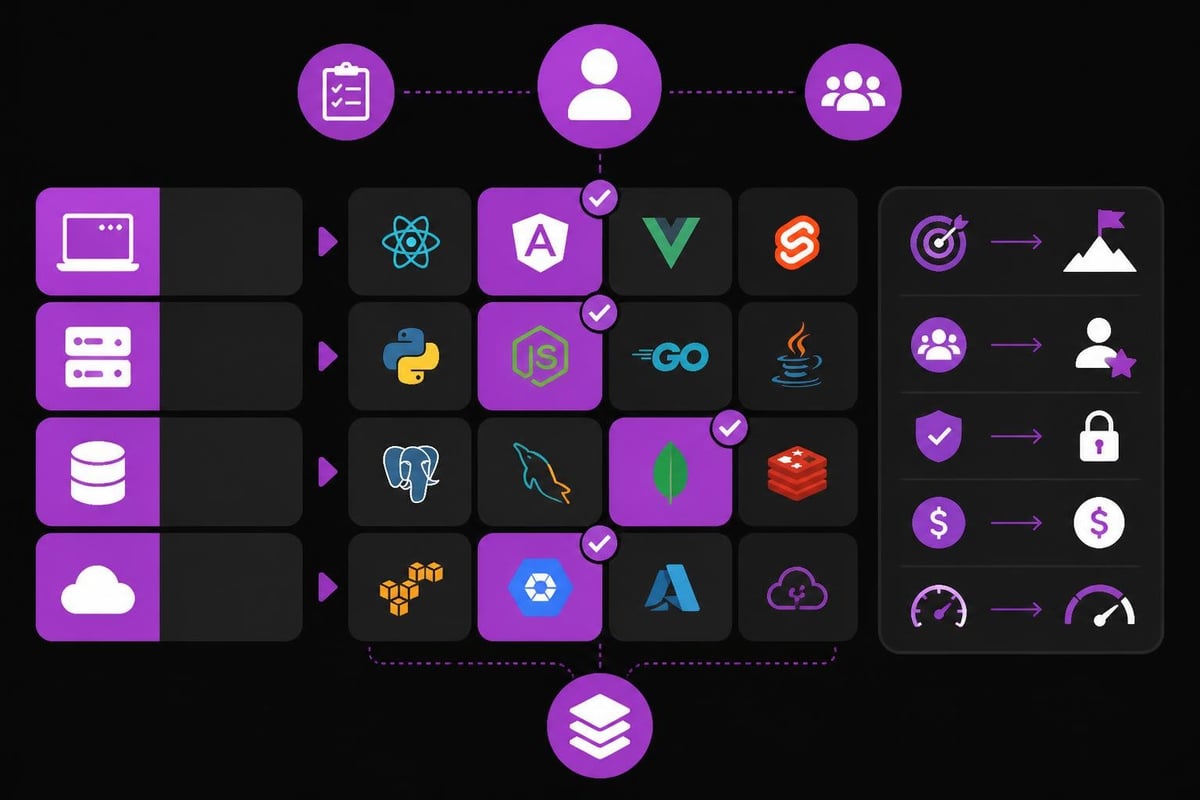
Selecting appropriate technologies significantly impacts development speed, maintenance costs, and product capabilities. The technology stack must align with your team's expertise, project requirements, and long-term maintenance strategy.
| Technology Layer | Common Options | Best For |
|---|---|---|
| Frontend Framework | React, Vue, Angular, Svelte | Interactive applications, SPAs |
| Backend Language | Node.js, Python, Go, Rust | API development, server logic |
| Database | PostgreSQL, MongoDB, Redis | Data persistence, caching |
| Hosting | AWS, Vercel, DigitalOcean | Deployment, infrastructure |
Modern development often involves choosing between monolithic and microservices architectures. Monolithic approaches work well for smaller teams and faster initial development, while microservices provide better scalability and team autonomy for larger organizations. When working with specialized teams for web development, architectural decisions should reflect both immediate needs and future growth projections.
Development Workflow and Process Optimization
Establishing efficient workflows accelerates delivery while maintaining code quality. Version control systems like Git form the backbone of collaborative development, enabling multiple developers to work simultaneously without conflicts. Implement branching strategies that support your release cycle, whether using Git Flow, trunk-based development, or feature branching.
Continuous integration and deployment pipelines automate repetitive tasks. When you develop site features, CI/CD systems automatically run tests, check code quality, and deploy approved changes to staging and production environments. This automation reduces human error and shortens feedback loops.
Code Quality and Testing Standards
Quality assurance cannot be an afterthought. Implement testing at multiple levels to catch issues early:
- Unit tests validate individual functions and components
- Integration tests verify that different modules work together correctly
- End-to-end tests simulate real user interactions across the entire application
- Performance tests ensure the system handles expected load
- Security tests identify vulnerabilities before deployment
Code reviews provide another quality gate. Peer reviews catch bugs, enforce coding standards, and share knowledge across the team. Establish clear review guidelines that balance thoroughness with velocity. According to web development best practices, optimizing JavaScript delivery and minimizing CSS can significantly improve site performance.
Development teams should maintain living style guides and design systems that ensure consistency across components. These resources reduce decision fatigue and accelerate feature development by providing reusable patterns.
Frontend Development Best Practices
The frontend represents your direct connection to users. When you develop site interfaces, prioritize performance, accessibility, and responsive design. Users expect instant loading, smooth interactions, and seamless experiences across devices.
Performance optimization starts with asset management. Minimize JavaScript bundles, lazy-load images, and implement code splitting to reduce initial page load times. Every millisecond matters in user retention and conversion rates.
Accessibility ensures your application serves all users, including those with disabilities. Semantic HTML, proper ARIA labels, and keyboard navigation support aren't optional features but fundamental requirements. Following mobile-friendly website best practices ensures your site performs well across all device types.
Component-Driven Development
Modern frontend development embraces component-based architectures. Breaking interfaces into reusable components improves maintainability and accelerates development. Each component should be self-contained, handling its own state and styling while accepting props for customization.
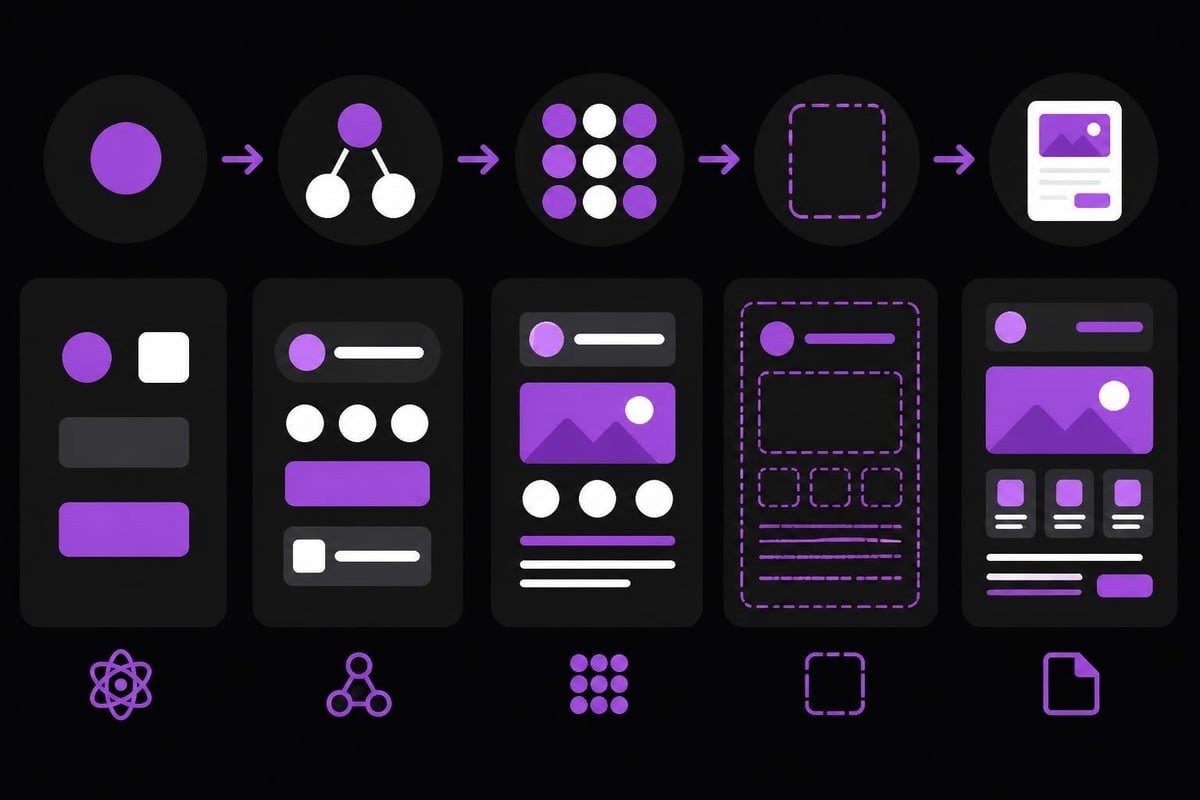
Consider this component hierarchy approach:
- Atomic components: Basic building blocks like buttons, inputs, and icons
- Molecular components: Combinations of atoms forming search bars, cards, or navigation items
- Organism components: Complex sections like headers, product grids, or forms
- Template components: Page-level layouts combining organisms
- Page components: Specific instances with real content
This structure, combined with product design principles, creates consistent user experiences while maintaining development efficiency. When teams develop site features using this methodology, they build faster and maintain easier.
Backend Architecture and API Design
Backend systems power your application's core functionality. When you develop site backend infrastructure, focus on reliability, security, and scalability. Well-designed APIs provide clean contracts between frontend and backend, enabling teams to work independently.
RESTful APIs remain the standard for most applications. Structure endpoints around resources, use appropriate HTTP methods, and implement consistent response formats. GraphQL offers an alternative for complex data requirements, allowing clients to request exactly the data they need.
| API Aspect | REST Best Practice | GraphQL Alternative |
|---|---|---|
| Endpoints | Resource-based URLs | Single endpoint with queries |
| Data Fetching | Multiple requests | Single request for nested data |
| Versioning | URL or header versioning | Schema evolution |
| Caching | HTTP caching headers | Custom caching logic |
Database design directly impacts application performance and maintainability. Normalize data to reduce redundancy, but denormalize strategically for read-heavy operations. Index frequently queried fields and monitor query performance as data volumes grow.
Security Fundamentals
Security must be embedded in every development phase. Implement authentication and authorization from the beginning, never treating them as features to add later. Use established libraries and frameworks rather than building custom security systems.
Essential security practices include:
- Input validation: Sanitize all user input to prevent injection attacks
- HTTPS everywhere: Encrypt data in transit with valid SSL certificates
- Environment variables: Store sensitive credentials outside source code
- Rate limiting: Protect APIs from abuse and DDoS attacks
- Regular updates: Keep dependencies current to patch vulnerabilities
When building specialized applications like smart contract escrow systems or AI hedge fund platforms, security requirements intensify. Financial applications demand additional layers including transaction signing, audit trails, and compliance by design.
DevOps and Deployment Strategies
How you deploy and monitor applications determines reliability and user experience. When you develop site infrastructure, implement DevOps practices that enable rapid, safe releases. Containerization with Docker ensures consistency across development, staging, and production environments.
Infrastructure as code makes environments reproducible. Tools like Terraform and CloudFormation define infrastructure in version-controlled files, enabling automated provisioning and disaster recovery. This approach eliminates configuration drift and simplifies multi-environment management.
Monitoring and Observability
Production systems require comprehensive monitoring to detect issues before users experience problems. Implement logging, metrics, and tracing across your application stack:
- Application logs: Capture errors, warnings, and important events
- Performance metrics: Track response times, throughput, and resource utilization
- User monitoring: Understand real user experiences through analytics
- Uptime monitoring: Alert teams immediately when services fail
- Cost tracking: Monitor cloud spending to optimize resource allocation
Establish clear incident response procedures. When issues occur, teams need runbooks, communication channels, and escalation paths to resolve problems quickly. Post-incident reviews identify root causes and prevent recurrence.
Progressive Enhancement and Feature Development
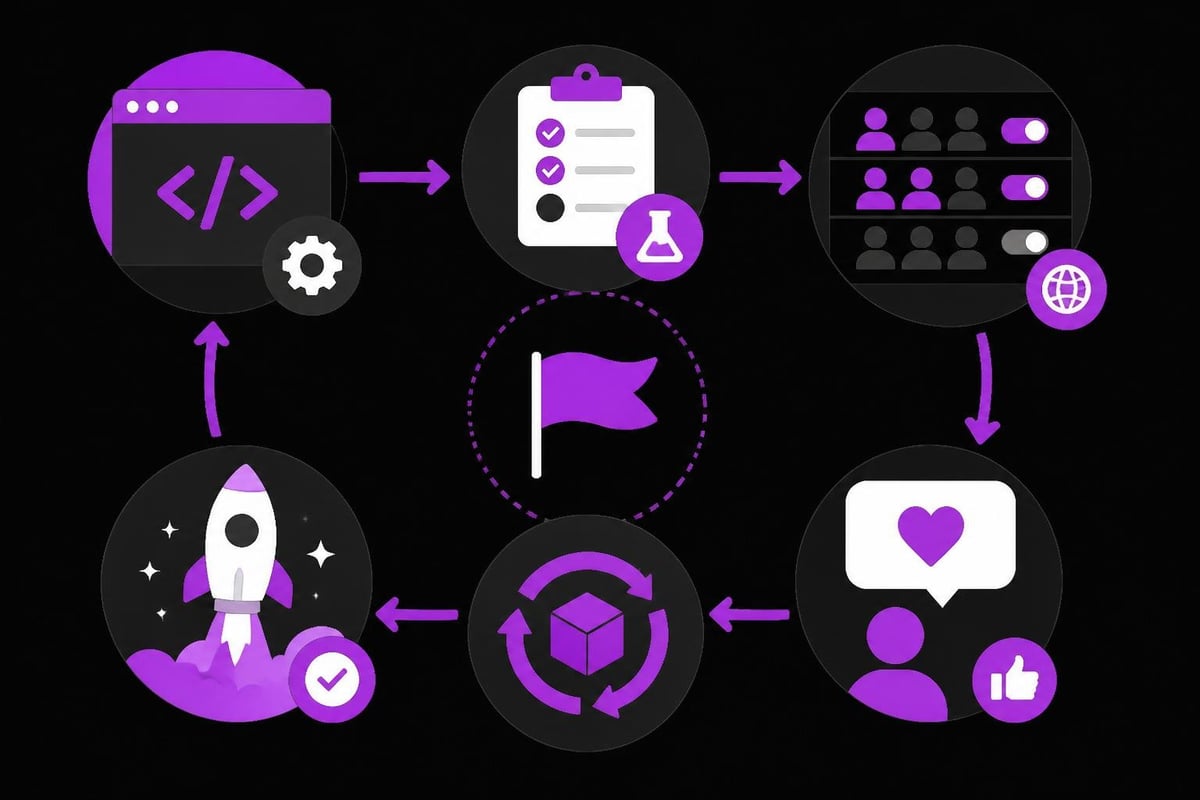
Building features incrementally reduces risk and accelerates learning. When you develop site capabilities, start with minimum viable features that deliver core value, then iterate based on user feedback. This approach, essential for SaaS MVP development, prevents over-engineering and wasted effort.
Feature flags enable controlled rollouts. Deploy new functionality to production while keeping it disabled, then gradually enable it for specific user segments. This technique allows testing in real environments, easy rollback if issues arise, and A/B testing for optimization.
Progressive enhancement ensures basic functionality works everywhere while enhanced experiences activate for capable browsers and devices. Build the core experience with standard HTML and CSS, then layer JavaScript enhancements for modern browsers.
Content Management and Dynamic Systems
Modern applications often require content management capabilities. When you develop site content systems, choose between headless CMS platforms, traditional CMSs, or custom-built solutions based on content complexity and team capabilities.
Headless CMS platforms decouple content from presentation, providing APIs that deliver content to any frontend. This approach works well for omnichannel strategies where content appears across websites, mobile apps, and other platforms. According to resources at MDN Web Docs, understanding web fundamentals helps developers integrate these systems effectively.
Performance Optimization Strategies
Site speed directly impacts user satisfaction and search rankings. Optimize performance through multiple techniques:
- Server-side rendering: Generate HTML on the server for faster initial loads
- Static site generation: Pre-build pages at deploy time for instant delivery
- Edge caching: Distribute content globally through CDNs
- Image optimization: Serve modern formats like WebP with responsive sizing
- Database optimization: Use connection pooling, query optimization, and caching layers
Performance budgets establish acceptable thresholds for page weight, load time, and interactivity metrics. Monitor these continuously and reject changes that violate budgets. Tools like Lighthouse provide detailed performance audits and improvement recommendations.
Collaboration and Team Dynamics
Successful projects depend on effective collaboration. When distributed teams develop site products, clear communication becomes even more critical. Establish documentation standards, regular synchronization meetings, and shared understanding of project goals.
Design and development collaboration shapes product quality. Rather than working in silos, designers and developers should collaborate throughout the process. Early developer involvement in design discussions prevents technically unfeasible concepts, while designer participation in technical decisions ensures implementation matches vision. Services like brand and web design benefit significantly from integrated team approaches.
Project management methodologies structure work and maintain momentum. Agile frameworks like Scrum provide sprint-based development cycles with regular retrospectives for continuous improvement. Kanban offers more flexibility for teams handling varied work types. Choose methodologies that match your team size, project complexity, and organizational culture.
Specialized Development Considerations
Different project types require specific expertise. When you develop site applications for gaming, blockchain, or financial services, domain knowledge becomes as important as technical skill. Understanding crypto iGaming platforms or stablecoin payment rails requires specialized knowledge beyond standard web development.
AI integration represents a growing development frontier. From AI agents for operations to predictive analytics, artificial intelligence capabilities enhance applications across industries. Implementing AI features requires understanding model training, API integration, and responsible AI practices.
| Specialization | Key Challenges | Required Expertise |
|---|---|---|
| Smart Contracts | Security audits, gas optimization | Blockchain protocols, Solidity |
| Gaming | Real-time performance, state synchronization | WebGL, WebSockets, game engines |
| Payment Systems | PCI compliance, transaction security | Payment gateways, regulatory standards |
| AI Applications | Model selection, data privacy | Machine learning, API integration |
E-commerce platforms face unique challenges around inventory management, payment processing, and user personalization. When teams develop site solutions for retail, they must consider profitable Shopify store development or custom marketplace creation. These projects require expertise in conversion optimization, logistics integration, and multi-vendor management.
Maintenance and Long-Term Management
Launching represents the beginning, not the end, of your site's lifecycle. Post-launch maintenance ensures continued performance, security, and relevance. Establish update schedules for dependencies, security patches, and feature enhancements.
Technical debt accumulates when shortcuts substitute for proper solutions. While necessary during time-constrained development, debt must be regularly addressed. Allocate dedicated time for refactoring, updating outdated dependencies, and improving code quality. Unmanaged technical debt eventually slows development and increases bug frequency.
Analytics and user feedback drive ongoing improvements. Monitor user behavior, track conversion funnels, and identify friction points. Quantitative data reveals what users do, while qualitative feedback explains why. Combine both for comprehensive understanding that informs development priorities.
Documentation maintenance matches code maintenance in importance. Keep technical documentation, API references, and user guides current as systems evolve. Outdated documentation confuses new team members and wastes time across the organization. Tools like internal tool building platforms often include documentation features that grow with your codebase.
Mobile and Cross-Platform Development
Mobile devices generate over half of global web traffic, making mobile optimization non-negotiable. When you develop site experiences, implement responsive design that adapts layouts to screen sizes and capabilities. Mobile-first development starts with the most constrained environment, then progressively enhances for larger screens.
Progressive Web Apps blur the line between websites and native applications. PWAs provide offline functionality, push notifications, and home screen installation while maintaining the reach and discoverability of web applications. For resource on building mobile apps, consider whether native, hybrid, or progressive approaches best serve your requirements.
Cross-platform frameworks like React Native and Flutter enable code sharing between web and mobile applications. This approach reduces development costs but may sacrifice platform-specific optimizations. Evaluate trade-offs based on performance requirements, team expertise, and budget constraints.
Marketing and SEO Integration
Technical excellence means nothing without user acquisition. When you develop site projects, integrate marketing and SEO considerations from the beginning rather than retrofitting them later. Technical SEO requirements like proper heading structure, meta tags, and semantic HTML should guide development decisions.
Programmatic SEO scales content creation for sites with large inventories. For businesses managing extensive product catalogs or location-based services, programmatic SEO for fintech and other industries generates targeted landing pages automatically. This approach requires careful template design and unique value proposition for each generated page.
Site speed, mobile optimization, and Core Web Vitals directly impact search rankings. Google's ranking algorithms increasingly emphasize user experience metrics, making performance optimization both a UX and SEO priority. Implement structured data to enhance search result appearance and improve click-through rates.
Developing modern web applications demands balancing technical excellence with business pragmatism, user needs with system constraints, and current requirements with future scalability. Success requires not just coding skills but strategic thinking, effective collaboration, and continuous learning. Whether building your first MVP or scaling an established platform, partnering with experienced teams accelerates development and reduces risk. Absolute Foundry serves as an on-demand tech department for companies worldwide, handling the complexities of product engineering while you focus on market growth and customer acquisition.