One Product Website: Build, Launch & Scale in 2026
In an era of overwhelming choice and cluttered digital storefronts, the one product website has emerged as a powerful business model that strips away complexity to focus on what truly matters: solving a specific problem exceptionally well. This approach concentrates all marketing, design, and development resources on showcasing a single product or service, creating an immersive experience that drives conversion rates significantly higher than traditional multi-product catalogs. Whether you're launching a revolutionary SaaS tool, a physical consumer product, or a specialized service, the one product website model offers distinct advantages in messaging clarity, brand positioning, and customer acquisition efficiency.
Why Single-Product Websites Outperform Traditional Catalogs
The psychological impact of choice paralysis has been documented extensively in consumer behavior research. When visitors face dozens or hundreds of options, decision fatigue sets in, often resulting in abandoned sessions and lost sales. A one product website eliminates this friction entirely.
Concentrated Value Proposition
Every element on a single-product site reinforces one message. Your headline, imagery, copy, and calls-to-action all work in harmony to communicate why this specific solution deserves attention. This unified approach creates stronger brand recall and clearer differentiation from competitors.
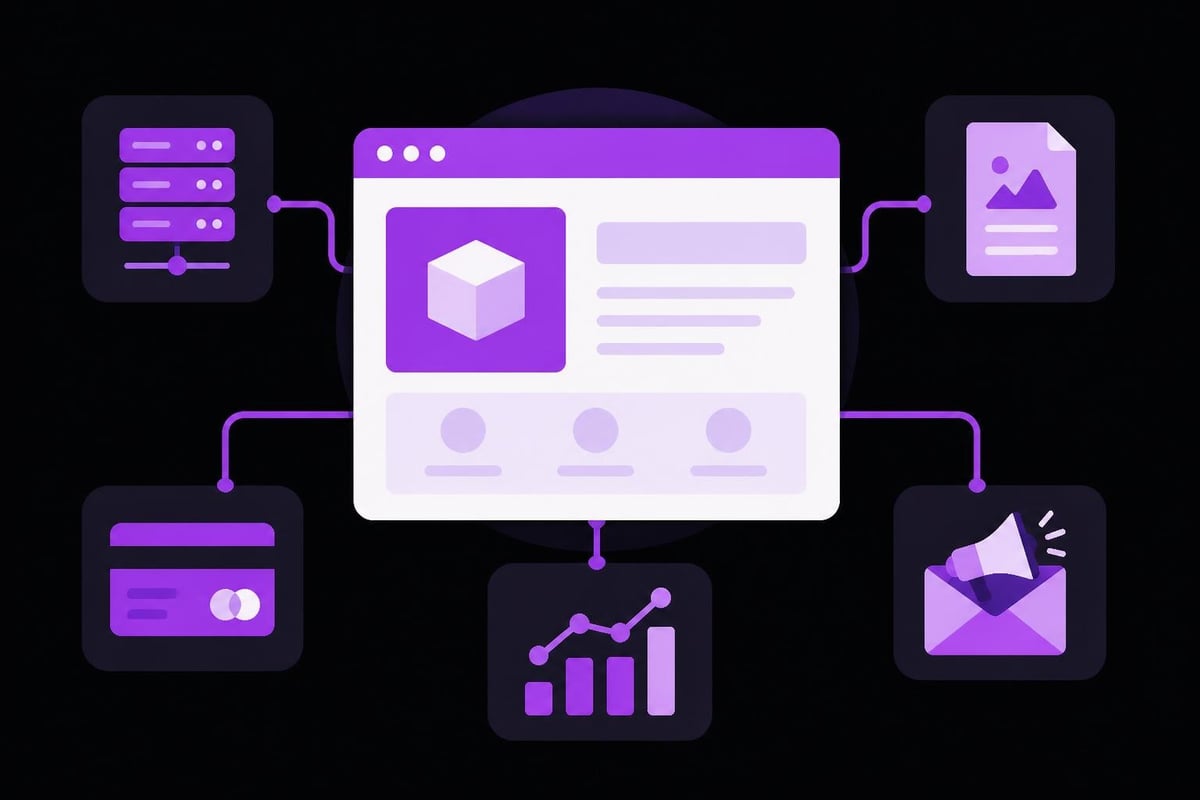
The technical architecture benefits equally from this focus. Marketing website design becomes streamlined when you're optimizing for a single conversion goal rather than managing multiple product funnels. Page load times improve, user paths simplify, and analytics become more actionable.
Resource Optimization for Maximum Impact
Building and maintaining a one product website requires substantially less investment than managing a full catalog. Development costs decrease because you're creating fewer pages and simpler navigation structures. Content creation focuses on one topic, allowing you to achieve true expertise and authority in that specific niche.
Marketing budgets stretch further when concentrated on promoting a single offering. Your SEO strategy targets a focused keyword cluster, your paid advertising tests variations of one core message, and your email campaigns nurture prospects toward a single decision point. This concentration typically yields better ROI across all channels.
| Resource Area | Multi-Product Site | One Product Website |
|---|---|---|
| Development Time | 3-6 months | 2-6 weeks |
| Content Needs | 50-200+ pages | 5-15 pages |
| SEO Focus | Hundreds of keywords | 10-30 keywords |
| Marketing Messages | Multiple value props | Single value prop |
| Maintenance Burden | High | Low |
Strategic Components of High-Converting Single-Product Sites
Building a successful one product website requires careful attention to several critical elements that work together to guide visitors toward conversion. Each component must serve the singular purpose of communicating value and removing objections.
Storytelling Through Structure
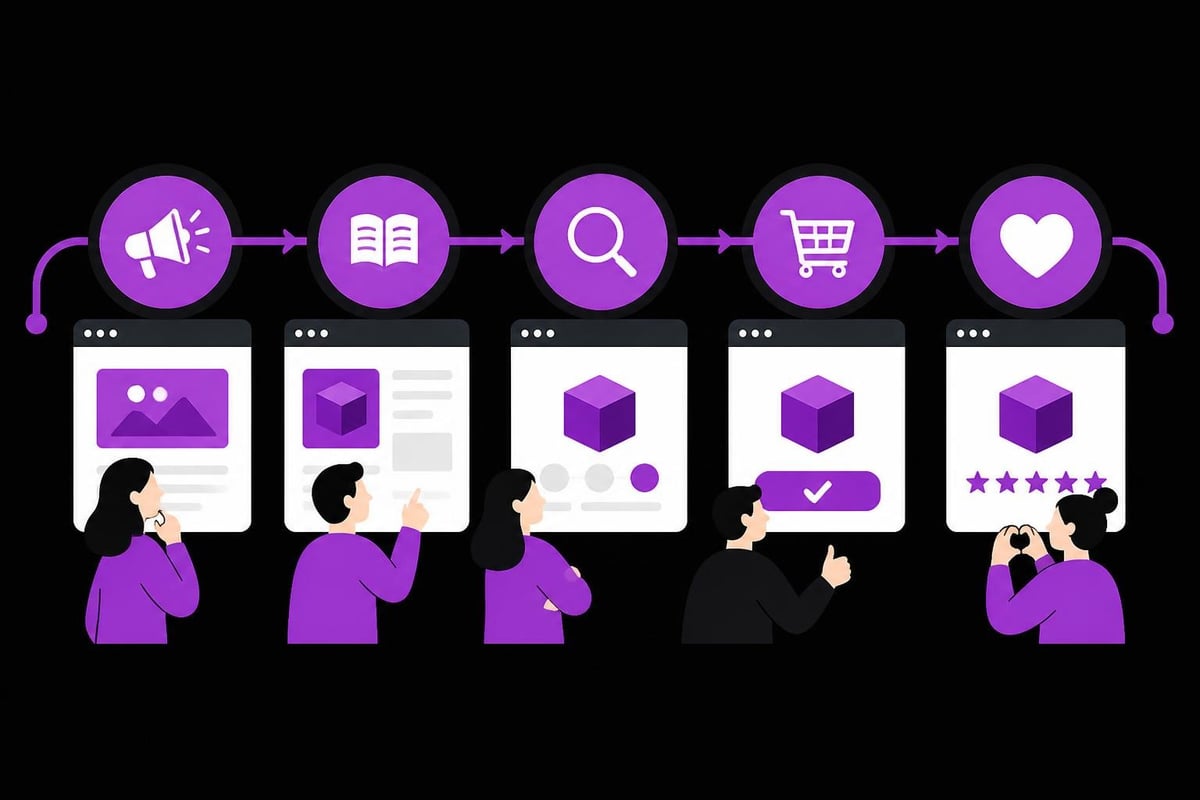
The most effective single-product sites follow a narrative arc that mirrors the customer's mental journey. You begin by identifying the pain point or desire, introduce your product as the hero solution, provide evidence through testimonials and data, address common objections, and conclude with a compelling call to action.
Successful one-product Shopify stores demonstrate this structure brilliantly. They use scrolling experiences that reveal information progressively, building curiosity and desire as visitors move down the page. Each section answers the next logical question in the buyer's mind.
Consider integrating interactive elements that demonstrate your product's value. Product configurators, ROI calculators, before-and-after comparisons, or live demos keep visitors engaged while educating them about benefits. When building a SaaS MVP, these interactive features often become core differentiators.
Visual Design That Drives Action
Your visual hierarchy should guide eyes exactly where you want them. High-quality imagery or video showing the product in use creates emotional connection and helps visitors visualize ownership. White space prevents overwhelm and focuses attention on key messages.
Typography choices communicate brand personality while maintaining readability across devices. Color psychology influences perception and action, with strategic use of contrasting colors for calls-to-action increasing click-through rates measurably.
- Hero Section: Immediately communicate what the product does and who it's for
- Benefit Blocks: Use icons, images, and concise copy to highlight key advantages
- Social Proof: Integrate testimonials, reviews, case studies, and trust badges
- Product Details: Provide specifications, features, and technical information
- FAQ Section: Preemptively address common questions and concerns
- Conversion Points: Place strategic CTAs throughout the experience
The design of web experiences for single products demands particular attention to mobile optimization. With over 60% of e-commerce traffic originating from mobile devices in 2026, responsive design isn't optional. Touch targets must be appropriately sized, forms simplified, and checkout processes streamlined for thumb navigation.
Technical Implementation and Platform Selection
Choosing the right technical foundation for your one product website significantly impacts development speed, ongoing maintenance, and scalability potential. Your decision should balance current needs with future growth trajectories.
Platform Comparison
Different platforms offer distinct advantages depending on your product type and technical requirements. E-commerce solutions like Shopify excel for physical products, while custom-built applications provide maximum flexibility for complex digital offerings.
| Platform | Best For | Pros | Cons |
|---|---|---|---|
| Shopify | Physical products | Easy setup, built-in payments | Monthly fees, limited customization |
| WordPress + WooCommerce | Content-heavy sites | Flexibility, plugin ecosystem | Requires more maintenance |
| Webflow | Design-focused brands | Visual development, no code | Learning curve, higher cost |
| Custom Development | Complex products | Complete control, unique features | Highest cost, longer timeline |
For businesses requiring sophisticated functionality, working with specialists in web development ensures your technical foundation supports business objectives. Custom builds allow integration with proprietary systems, advanced personalization, and unique user experiences impossible with template-based solutions.
Performance Optimization Essentials
Site speed directly correlates with conversion rates. Research consistently shows that each additional second of load time can decrease conversions by up to 7%. For a one product website generating $100,000 monthly, this translates to $7,000 lost per second of delay.
Technical optimization priorities include:
- Image optimization: Compress files, use modern formats (WebP), implement lazy loading
- Code efficiency: Minimize CSS/JavaScript, eliminate render-blocking resources
- Caching strategies: Implement browser caching, CDN distribution, server-side caching
- Database optimization: Query optimization, indexing, connection pooling
- Third-party scripts: Audit and limit tracking pixels, chat widgets, analytics tools
UI engineering practices ensure your interface responds instantly to user interactions. Perceived performance often matters as much as actual load times. Strategic use of skeleton screens, optimistic UI updates, and progressive enhancement creates the feeling of speed even during network delays.
Marketing Strategies for Single-Product Success
Launching a one product website represents only the beginning of your journey. Driving qualified traffic and converting visitors requires strategic marketing across multiple channels, each tailored to your specific audience and value proposition.
Search Engine Optimization Foundation
SEO for single-product sites demands depth over breadth. Rather than targeting hundreds of keywords superficially, you'll create comprehensive content around a focused topic cluster. Your product website should become the definitive resource for your niche.
Content strategy extends beyond the main landing page. Supporting blog posts, comparison guides, use case examples, and educational resources attract prospects at various awareness stages. This approach, detailed in guides for creating a one-product website, builds topical authority that search engines reward with higher rankings.
Link building focuses on quality over quantity. Securing mentions from industry publications, partnering with complementary brands, and earning coverage through newsworthy product developments creates sustainable organic growth. For specialized offerings like blockchain products, targeted outreach to crypto publications and communities yields better results than generic link schemes.
Paid Acquisition Channels
Performance marketing for a one product website allows unprecedented optimization. You're not splitting budgets across multiple offerings or confusing messaging with varied products. Every ad, landing page, and audience segment aligns perfectly with your singular value proposition.
Channel-specific strategies:
- Google Ads: Target high-intent keywords indicating purchase readiness, use single keyword ad groups for maximum relevance
- Facebook/Instagram: Build lookalike audiences from existing customers, create video ads demonstrating product benefits
- LinkedIn: Target by job title and company size for B2B products, use thought leadership content to warm audiences
- TikTok: Leverage creator partnerships for authentic product demonstrations, capitalize on trending audio for discovery
- Reddit: Engage authentically in relevant communities, provide value before promoting your solution
Testing velocity increases dramatically with focused products. Rather than determining which product to promote, you test messaging angles, audience segments, creative variations, and offer structures. Successful one-product store examples demonstrate conversion rate improvements of 30-50% through systematic testing programs.
Email Marketing and Retention
Capturing email addresses early in the customer journey enables nurturing sequences that address objections over time. Not every visitor converts immediately, but strategic email campaigns keep your product top-of-mind as needs evolve.
Segmentation by behavior creates relevant messaging. Visitors who viewed pricing receive different emails than those who watched demo videos. Cart abandoners get recovery sequences with incentives, while product users receive onboarding tips and expansion opportunities.
For subscription or repeat-purchase products, retention email programs dramatically increase lifetime value. Educational content that maximizes product benefit, community highlights that build belonging, and exclusive offers that reward loyalty transform one-time buyers into brand advocates.
Conversion Rate Optimization Tactics
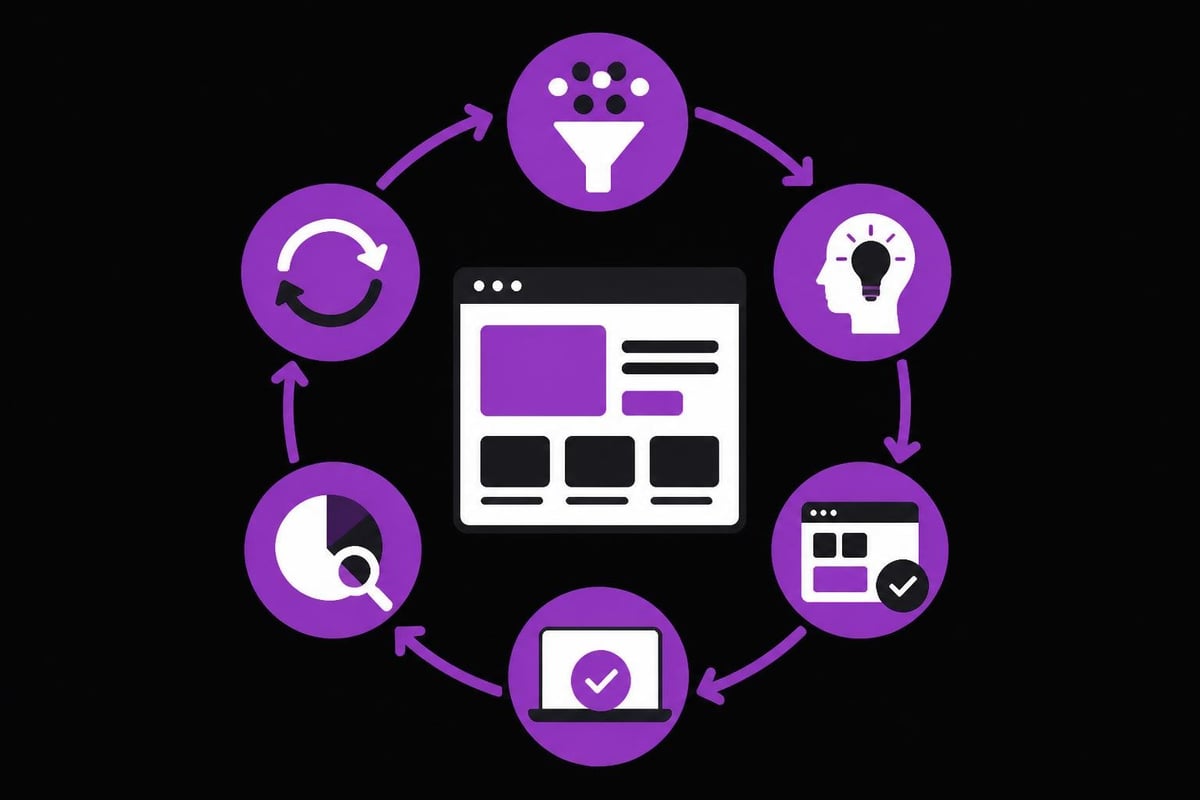
Even marginal improvements in conversion rates compound significantly over time. A one product website converting at 3% versus 2% generates 50% more revenue from identical traffic. Systematic optimization should be continuous, not a one-time effort.
Testing Methodology
Effective A/B testing follows scientific methodology. Form hypotheses based on user research, analytics data, or proven principles. Test one variable at a time to isolate causal relationships. Run tests to statistical significance before declaring winners, typically requiring thousands of sessions.
High-impact elements to test:
- Headline variations that emphasize different benefits
- CTA button copy, color, size, and placement
- Pricing presentation (monthly vs. annual, feature tiers, payment options)
- Social proof placement and format (reviews, testimonials, case studies)
- Form length and field requirements
- Image vs. video for product demonstrations
Tools like Hotjar, Microsoft Clarity, or Smartlook provide session recordings and heatmaps revealing exactly how visitors interact with your one product website. You'll discover elements ignored, confusing navigation patterns, and friction points causing abandonment. These qualitative insights inform quantitative testing priorities.
Personalization at Scale
Modern marketing automation enables personalization even for small businesses. Visitors from different traffic sources see messaging tailored to their context. Returning visitors encounter different content than first-time browsers. Geographic location, device type, and referral source all provide signals for customization.
Dynamic content blocks adjust based on visitor characteristics. B2B visitors see ROI calculators and team pricing, while consumers view individual plans. Mobile users see simplified forms optimized for small screens, desktop visitors get more detailed product tours.
For technically sophisticated products, working with experts in marketing web development ensures personalization engines integrate seamlessly with your content management and customer data systems. The complexity happens behind the scenes while users experience relevant, timely messaging.
Scaling Beyond the Single Product
Many successful one product websites eventually expand their offerings. The focused approach that drove initial success creates brand equity and customer relationships that support adjacent products or upgraded tiers. However, expansion requires careful strategy to avoid diluting your core message.
When to Expand Your Product Line
Timing matters significantly. Expanding too early fragments your efforts before establishing market leadership. Waiting too long allows competitors to capture adjacent opportunities. Watch for clear signals that expansion makes sense.
Expansion indicators include:
- Consistent customer requests for related features or products
- Market research revealing underserved needs within your audience
- Competitive threats targeting your customer base with complementary offerings
- Operational capacity exceeding current product demands
- Declining growth rates suggesting market saturation for current offering
Successful expansion often follows the "core plus" model. Your primary product remains the hero, while complementary offerings enhance its value. Think accessories for physical products, premium tiers for software, or professional services for complex implementations. Examining well-designed one-product Shopify stores reveals how top brands maintain focus even when introducing variations.
Architectural Considerations for Growth
Planning for eventual expansion influences technical decisions from day one. While you're currently operating as a one product website, your information architecture should accommodate future offerings without requiring complete rebuilds.
Database schemas should normalize product information, allowing attributes to be shared across multiple offerings. URL structures should include product identifiers even if unnecessary currently. Navigation frameworks should support categorization even if only one category exists initially.
This forward-thinking approach, championed by teams specializing in brand and web design, prevents costly migrations later. You invest slightly more upfront for significantly reduced complexity during expansion phases. The architecture remains clean and logical rather than accumulating technical debt through repeated modifications.
Industry-Specific Applications
The one product website model adapts successfully across diverse industries, though implementation details vary based on product characteristics, buyer behavior, and market dynamics. Understanding these nuances helps you apply principles effectively to your specific context.
SaaS and Digital Products
Software companies frequently leverage single-product sites during launch phases or when targeting specific market segments with focused solutions. The model works exceptionally well for point solutions addressing specific pain points rather than comprehensive platforms attempting broad appeal.
Pricing transparency typically drives higher conversions for SaaS products. Clearly displayed tiers with feature comparisons allow self-service buying, reducing sales cycle length. Free trials or freemium models lower barriers to entry, with the product experience driving conversion to paid plans.
Demo videos and interactive product tours prove particularly valuable for complex software. Prospects need to understand functionality before committing, and self-service educational content scales better than sales calls for lower-price products. When building a marketplace or other platform, initial focus on core value proposition before expanding features prevents overwhelming early adopters.
Physical Consumer Products
Direct-to-consumer brands selling physical goods have pioneered many one product website innovations. Companies like Casper (mattresses), Dollar Shave Club (razors), and Allbirds (shoes) demonstrated how focused branding and exceptional product experiences could disrupt established categories.
High-quality photography and video become critical for physical products where prospects can't touch or test before purchase. 360-degree product views, zoom functionality, and lifestyle imagery showing context help bridge the gap between digital browsing and physical ownership.
Shipping and return policies significantly influence conversion for physical goods. Free shipping, easy returns, and extended trial periods reduce perceived risk. These policies should be prominently featured, not buried in legal pages. Guides on creating a high-converting single product page emphasize these trust-building elements.
Professional Services and Consulting
Service businesses increasingly adopt the one product website model by packaging their offerings into standardized deliverables rather than custom proposals. This approach improves scalability, clarifies value propositions, and accelerates sales cycles.
Case studies and testimonials carry exceptional weight for service businesses where prospects are buying expertise and outcomes rather than tangible products. Detailed project examples demonstrating results build credibility more effectively than feature lists or credentials alone.
Clear scoping prevents misaligned expectations. When you productize services, defining exactly what's included and excluded avoids scope creep while giving prospects confidence they understand the offering. Transparency about process, timelines, and deliverables replaces the ambiguity often associated with custom service work.
Design Systems for Consistent Brand Experience
Creating a cohesive visual and experiential identity across your one product website requires systematic design thinking. Rather than making isolated decisions about individual pages or components, successful brands establish comprehensive design systems governing every touchpoint.
Visual Language Components
Your design system defines reusable patterns that ensure consistency while enabling efficient iteration. Color palettes establish emotional tone and guide attention. Typography hierarchies improve readability and content structure. Spacing systems create visual rhythm and breathing room.
Component libraries document standard UI elements: buttons, form fields, cards, navigation elements, and modal windows. Each component has defined states (default, hover, active, disabled) and usage guidelines. This systematization, detailed in resources about design systems, dramatically accelerates development while maintaining quality.
For businesses operating in regulated industries like finance or healthcare, consistency extends beyond aesthetics to compliance requirements. Elements like disclaimer language, risk disclosures, and privacy notices require standardized presentation ensuring legal obligations are met uniformly.
Content Guidelines and Voice
Design systems extend to written content through voice and tone guidelines. Your one product website should sound distinctly like your brand whether visitors read headlines, body copy, error messages, or confirmation emails. This consistency builds recognition and trust.
Content templates provide structure for common page types. Product benefit sections follow proven formulas. Testimonials include specific elements like customer name, role, and measurable results. FAQ entries maintain consistent format for scannability.
Building a successful one product website requires strategic thinking across design, development, and marketing disciplines, creating focused experiences that convert visitors into customers through clarity and conviction. Whether you're launching a new product or refining an existing digital presence, the principles outlined here provide a framework for measurable improvement. Absolute Foundry specializes in creating high-converting product websites that combine technical excellence with strategic marketing, serving as your on-demand product engineering partner from concept through launch and beyond. Our Singapore-based team has built everything from blockchain payment systems to AI-powered dashboards, bringing deep technical expertise to every project we undertake.