Concurrent Engineering: Building Better Products Faster
Modern product development demands speed, efficiency, and precision. Traditional sequential approaches where design hands off to engineering, which hands off to manufacturing, create bottlenecks that extend timelines and inflate costs. Concurrent engineering offers a transformative alternative by enabling teams to work simultaneously on different aspects of product development, creating better outcomes in less time. This methodology has become essential for companies building complex digital products, from blockchain-based payment systems to AI-powered platforms.
Understanding Concurrent Engineering Fundamentals
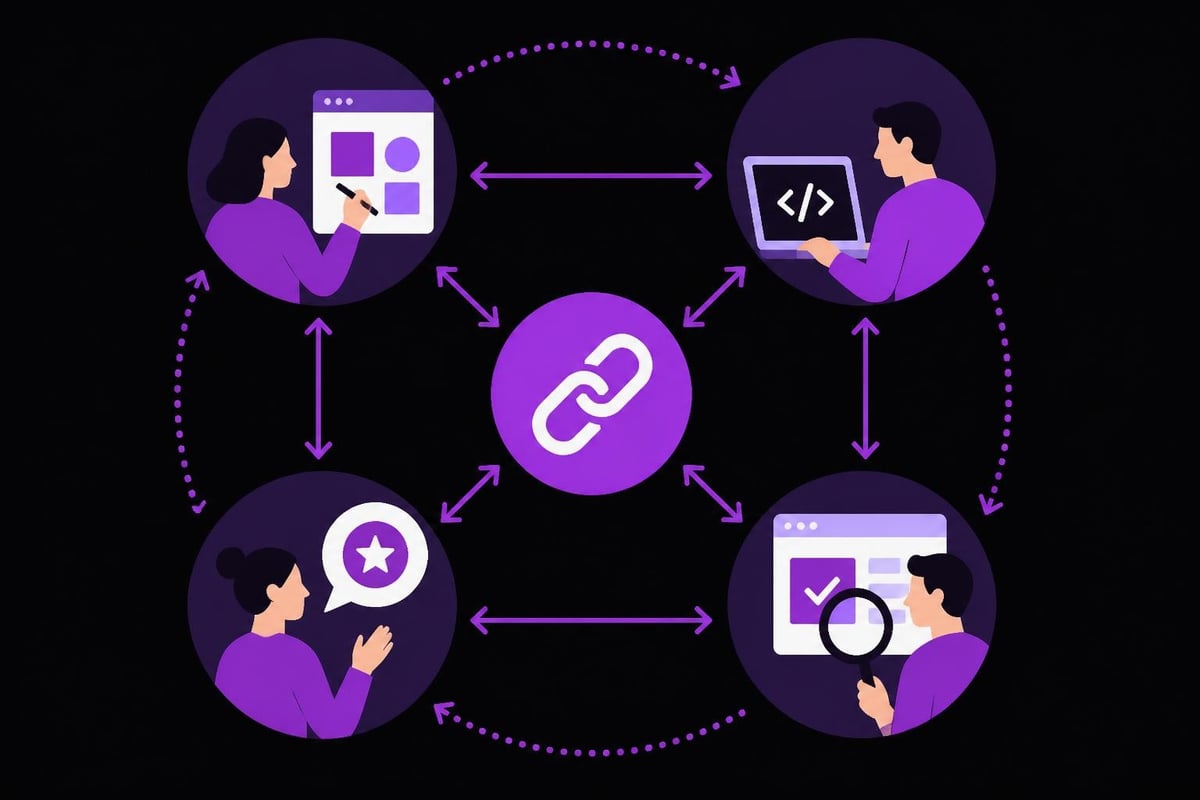
Concurrent engineering represents a systematic approach to integrated product development that brings together diverse expertise from the earliest stages of a project. Rather than waiting for one phase to complete before starting the next, teams work in parallel, sharing knowledge and insights continuously.
The core principle involves breaking down traditional silos between departments and disciplines. Design teams, development engineers, quality assurance specialists, and stakeholders collaborate from day one, identifying potential issues before they become costly problems. This approach requires robust communication channels and shared data systems that enable real-time collaboration.
Key Components of Effective Implementation
Several essential elements must be in place for concurrent engineering to succeed:
- Cross-functional teams with representatives from all relevant disciplines
- Shared digital workspaces that provide real-time access to project data
- Standardized processes for decision-making and conflict resolution
- Integrated tools that connect design, development, and testing workflows
- Clear communication protocols that keep all stakeholders aligned
Organizations implementing this methodology must also establish common data standards. The integration of people, systems, and information through product data standards creates the foundation for effective collaboration across teams and even multiple enterprises.
Benefits That Drive Competitive Advantage
Companies adopting concurrent engineering consistently report significant improvements across multiple metrics. Time-to-market typically decreases by 30-50%, providing crucial competitive advantages in fast-moving industries like fintech and blockchain development.
Quality improvements represent another major benefit. When product design engineers work alongside developers and testers from the beginning, they catch design flaws early. This early detection reduces rework, which often accounts for 40-60% of development costs in traditional sequential approaches.
| Metric | Traditional Approach | Concurrent Engineering | Improvement |
|---|---|---|---|
| Time-to-Market | 12-18 months | 6-10 months | 40-50% faster |
| Design Changes | 30-40 iterations | 10-15 iterations | 60-70% reduction |
| Development Costs | Baseline | 20-30% lower | Significant savings |
| Product Quality | Standard | 25-35% fewer defects | Higher reliability |
The financial impact extends beyond reduced development costs. Products reach market faster, generating revenue sooner while competitors struggle with lengthy development cycles. Companies building smart contract escrow systems or production-ready dApps particularly benefit from compressed timelines.
Risk Mitigation Through Early Integration
Concurrent engineering dramatically reduces project risk by surfacing problems when they're easiest to solve. Traditional sequential development often discovers critical issues during late-stage testing, requiring expensive redesigns and schedule delays.
When teams work concurrently, technical feasibility gets validated during the design phase. User experience considerations inform architectural decisions. Security requirements shape initial development rather than being retrofitted later. This integration prevents the costly surprises that plague sequential projects.
Implementing Concurrent Engineering in Digital Product Development
Digital products present unique opportunities for concurrent engineering due to their inherent flexibility. Unlike physical manufacturing, software development allows rapid iteration and testing without retooling production lines.
The first step involves assembling the right team structure. A typical setup includes:
- Product owners who define requirements and priorities
- Design specialists creating user interfaces and experiences
- Backend engineers building core functionality and APIs
- Frontend developers implementing user-facing components
- Quality assurance professionals testing throughout development
- DevOps engineers ensuring deployment readiness
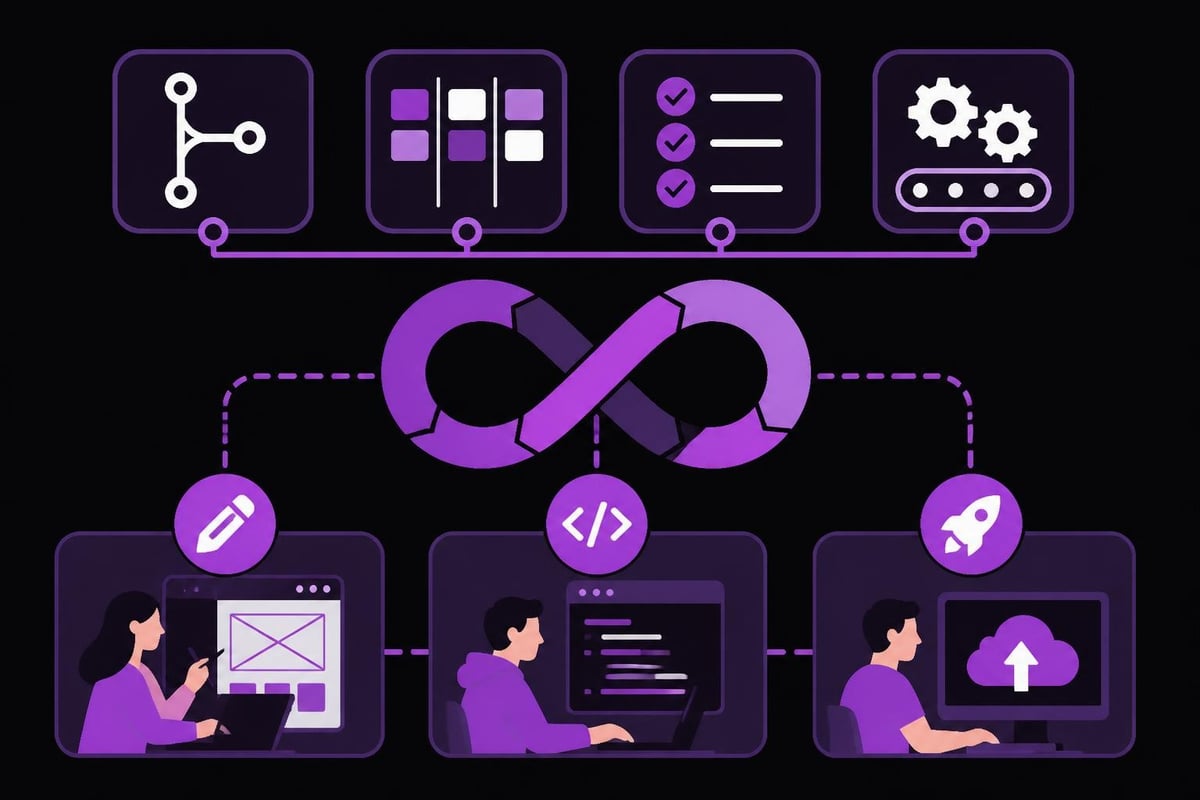
These roles work simultaneously rather than sequentially. While designers refine user flows, backend engineers build the infrastructure. Frontend developers begin implementation as designs stabilize, and QA teams create test cases based on evolving specifications.
Modern web development approaches leverage concurrent engineering naturally through agile methodologies. Sprint-based development enables parallel workstreams while maintaining coordination through daily standups and shared backlogs.
Technology Enablers for Parallel Workflows
The right technology stack makes concurrent engineering practical and efficient. Version control systems like Git enable multiple developers to work on the same codebase simultaneously without conflicts. Design tools with collaboration features allow real-time feedback and iteration.
Project management platforms provide visibility across all workstreams, helping teams identify dependencies and coordinate handoffs. Automated testing frameworks catch integration issues immediately, preventing one team's changes from breaking another's work. Continuous integration/continuous deployment (CI/CD) pipelines ensure that parallel development efforts merge smoothly into production-ready code.
When building complex systems like stablecoin payment rails or AI hedge fund platforms, these technological foundations become non-negotiable. The complexity requires seamless coordination between smart contract developers, frontend engineers, and infrastructure specialists.
Managing Cross-Functional Collaboration
Effective collaboration distinguishes successful concurrent engineering implementations from chaotic attempts at parallelization. Teams need structured approaches to decision-making that balance autonomy with alignment.
Regular synchronization meetings keep everyone informed without creating excessive overhead. Daily standups address immediate coordination needs, while weekly planning sessions align on upcoming priorities. Monthly retrospectives identify process improvements and address friction points.
Documentation plays a crucial role in maintaining shared understanding. Living documents that evolve with the project serve as single sources of truth. Engineering formulas and architectural decision records capture the reasoning behind key choices, helping team members understand context as they work in parallel.
The viewpoints in co-design meetings become particularly important when multiple disciplines collaborate. Designers think in user journeys, engineers in system architectures, and business stakeholders in market opportunities. Effective concurrent engineering requires translating between these perspectives and finding solutions that satisfy all constraints.
Conflict Resolution and Trade-off Management
Parallel development inevitably creates conflicting requirements and competing priorities. A design choice that delights users might create performance challenges. A technical architecture that ensures scalability might increase development time.
Concurrent engineering addresses these conflicts through structured trade-off analysis:
- Define objective criteria for evaluating options
- Quantify impacts across all relevant dimensions
- Involve all affected stakeholders in decisions
- Document rationales for future reference
- Establish escalation paths for unresolved conflicts
This systematic approach prevents decisions from stalling while ensuring that trade-offs reflect genuine business priorities rather than organizational politics.
Industry Applications and Real-World Results
Financial technology companies have embraced concurrent engineering to maintain competitive pace. When building high-converting fintech landing pages or trading dashboards, teams must coordinate brand design, user experience, real-time data integration, and regulatory compliance simultaneously.
Gaming platforms represent another domain where concurrent engineering proves essential. Crypto gaming implementations require parallel development of game mechanics, blockchain integration, payment processing, and user interfaces. Sequential development would extend timelines beyond market viability.
The verification process for concurrent engineering software ensures that parallel development doesn't compromise quality. State diagram models and concurrent state machines validate that independently developed components integrate correctly, catching issues before they reach production.
Multi-Enterprise Concurrent Engineering
Complex products often involve multiple organizations working together. Multi-enterprise concurrent engineering introduces additional coordination challenges, particularly around data sharing and intellectual property protection.
International standards like STEP (Standard for the Exchange of Product model data) enable different organizations to share product information while maintaining security and confidentiality. When building marketplace platforms or SaaS MVPs, these standards facilitate collaboration with third-party service providers, payment processors, and integration partners.
Tools and Technologies Supporting Concurrent Workflows
Modern product development relies on sophisticated toolchains that enable concurrent engineering at scale. The selection and integration of these tools significantly impacts team effectiveness.
| Tool Category | Purpose | Key Features | Integration Points |
|---|---|---|---|
| Design Systems | Maintain consistency | Component libraries, design tokens | Development frameworks, CI/CD |
| API Documentation | Define interfaces | Auto-generation, testing tools | Backend services, frontend apps |
| Feature Flags | Control deployments | Gradual rollouts, A/B testing | Application code, analytics |
| Monitoring | Track performance | Real-time alerts, dashboards | Infrastructure, application logs |
Design systems exemplify concurrent engineering principles by establishing shared languages between designers and developers. Components defined once get reused across products, ensuring consistency while enabling parallel development of different features.
The collection of product information in machine-readable formats becomes essential for concurrent design, particularly in complex technical domains. Structured data about components, specifications, and constraints enables automated validation and integration testing.
Advanced Collaboration Platforms
Cloud-based development environments enable geographically distributed teams to work as if they're in the same room. Real-time code editing, shared terminal sessions, and integrated communication tools eliminate traditional barriers to collaboration.
When building internal tools or AI automation solutions, these platforms accelerate development by removing friction between team members. Developers in Singapore can seamlessly collaborate with designers in Europe and stakeholders in North America, maintaining continuous progress across time zones.
Requirements Engineering in Concurrent Development
Traditional requirements engineering assumes sequential development where all requirements get defined upfront. Concurrent engineering demands more flexible approaches that accommodate evolving understanding and parallel discovery.
The SysML profile for digital requirements engineering provides structured frameworks aligned with industry standards. These approaches enable requirements to evolve systematically while maintaining traceability and ensuring that all stakeholders understand current specifications.
Living requirements documents replace static specifications. As designers explore user needs, developers investigate technical constraints, and stakeholders refine business objectives, requirements evolve to reflect collective learning. Version control and change tracking ensure that everyone works from current information.
Requirements get organized into different levels of detail and certainty:
- Strategic requirements defining overall product vision and goals
- Functional requirements specifying what the system must do
- Technical requirements describing how it will be implemented
- Interface requirements defining integration points and protocols
- Performance requirements establishing benchmarks and targets
This hierarchical structure allows different teams to work at appropriate abstraction levels while maintaining alignment with broader objectives.
Measuring Success and Continuous Improvement
Concurrent engineering implementations require careful measurement to ensure they deliver expected benefits. Key performance indicators should track both process efficiency and product quality.
Cycle time metrics measure how long features take from conception to deployment. Concurrent engineering should reduce these times significantly compared to sequential approaches. Integration frequency indicates how often parallel workstreams merge successfully, with higher frequencies suggesting better coordination.
Defect escape rates reveal whether concurrent development maintains quality standards. Lower rates indicate that parallel development includes adequate validation. Rework percentages show how often completed work requires revision due to misalignment or late-discovered issues.
Teams should establish baseline measurements before implementing concurrent engineering, then track improvements over time. Regular retrospectives examine both successes and failures, identifying opportunities to refine processes and tools.
Scaling Concurrent Engineering Practices
As organizations grow and product portfolios expand, concurrent engineering practices must scale appropriately. What works for a small team building a mobile app may not suffice for large organizations developing multiple products simultaneously.
Successful scaling requires:
- Standardized processes that work across different projects and teams
- Reusable components and services that reduce redundant development
- Centers of excellence that share knowledge and best practices
- Automated governance ensuring compliance without manual bottlenecks
- Continuous training keeping teams current with evolving methodologies
Organizations like Absolute Foundry build these capabilities into their operational DNA, enabling them to handle diverse projects from e-signature flows to web dashboards while maintaining consistent quality and efficiency.
Concurrent engineering transforms product development from a sequential relay race into a coordinated team sport where all disciplines contribute simultaneously. The methodology reduces time-to-market, improves quality, and creates more innovative solutions by bringing diverse perspectives together from the beginning. Whether you're building blockchain payment systems, AI platforms, or complex web applications, concurrent engineering provides the framework for delivering exceptional products efficiently. Absolute Foundry serves as your on-demand tech department, implementing concurrent engineering practices across every project to ensure your product reaches market faster without compromising quality-allowing you to focus on growth while we handle the technical complexity.