Product UX Designer: Role, Skills & Impact in 2026
The digital landscape in 2026 demands more than functional products. Users expect seamless, intuitive experiences that solve problems efficiently while feeling effortless. This expectation has elevated the product UX designer from a nice-to-have role to a critical position in any tech-driven organization. As companies compete for user attention across web applications, mobile platforms, dashboards, and blockchain interfaces, the product UX designer serves as the bridge between business objectives, technical constraints, and human needs. Understanding this role's evolution, responsibilities, and impact helps organizations build products that users actually want to use.
The Modern Product UX Designer Role
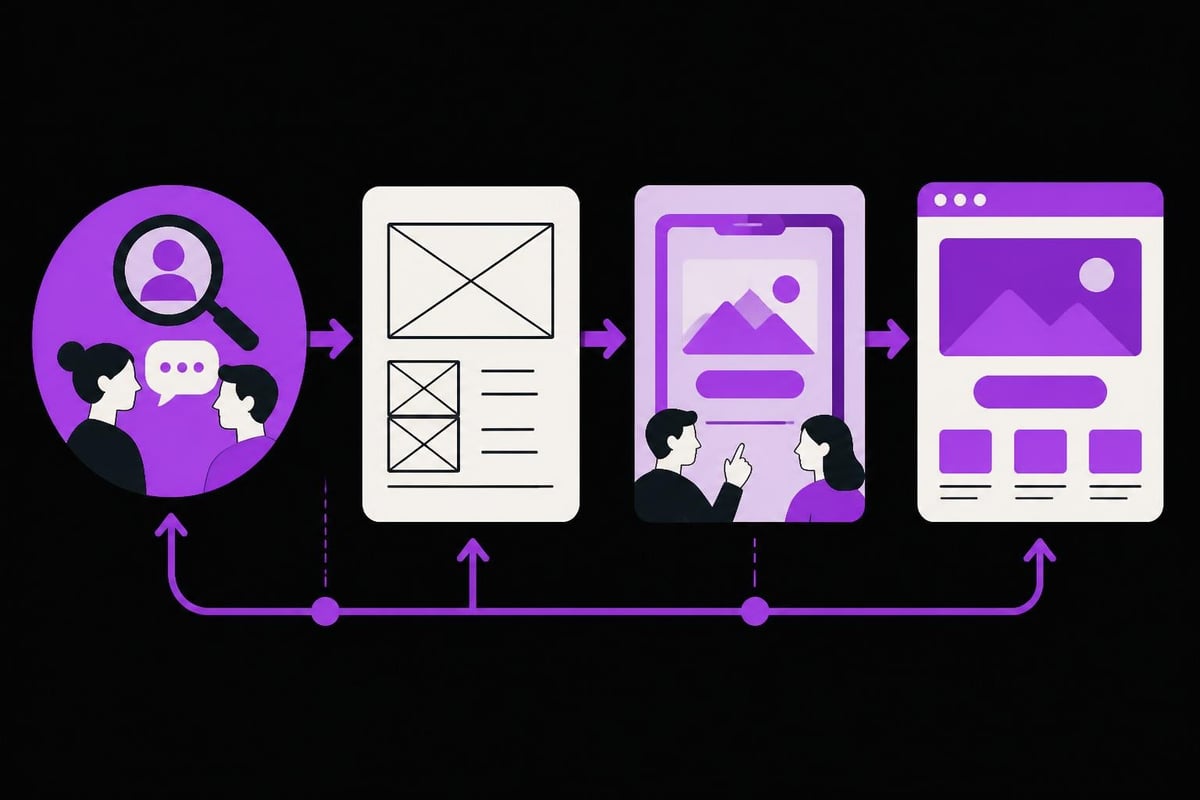
A product UX designer operates at the intersection of research, strategy, and visual design. Unlike traditional graphic designers who focus primarily on aesthetics, these professionals architect entire user journeys from first touch to conversion and retention.
Core responsibilities include:
- Conducting user research through interviews, surveys, and usability testing
- Creating wireframes, prototypes, and high-fidelity mockups
- Developing information architecture and user flows
- Collaborating with product managers, engineers, and stakeholders
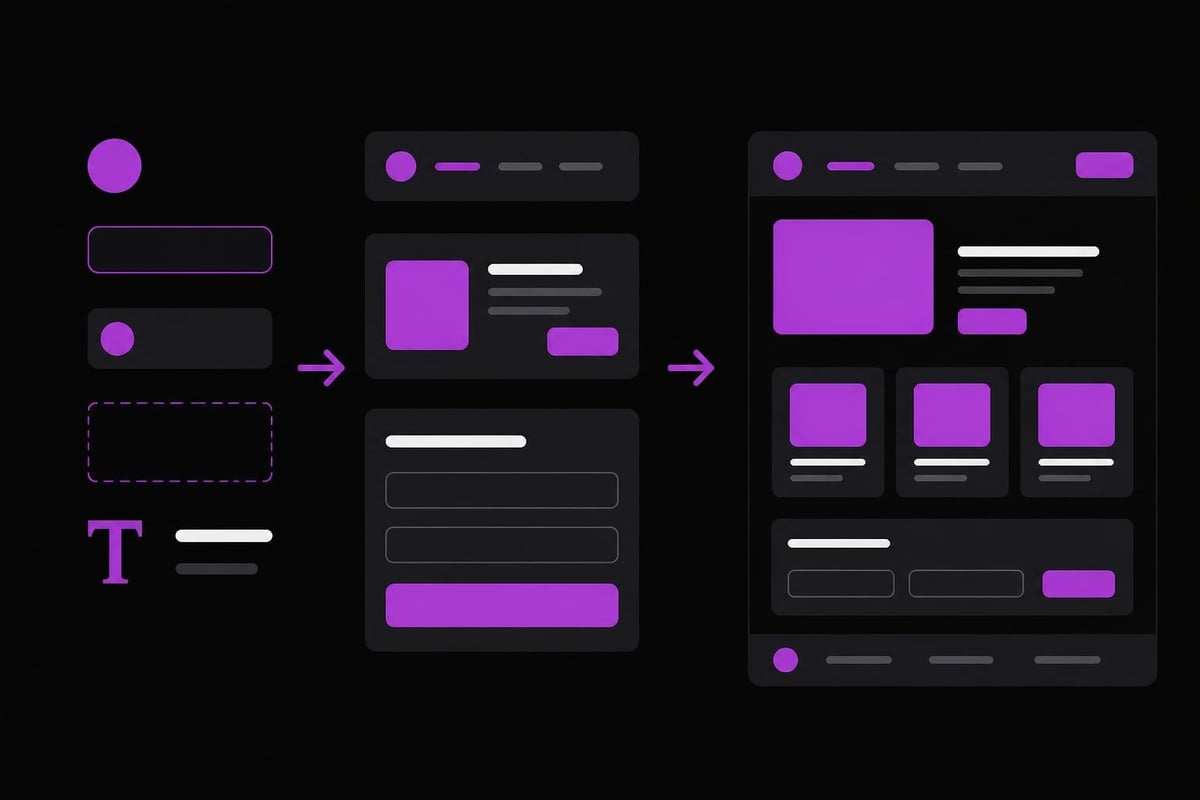
- Establishing and maintaining design systems for consistency
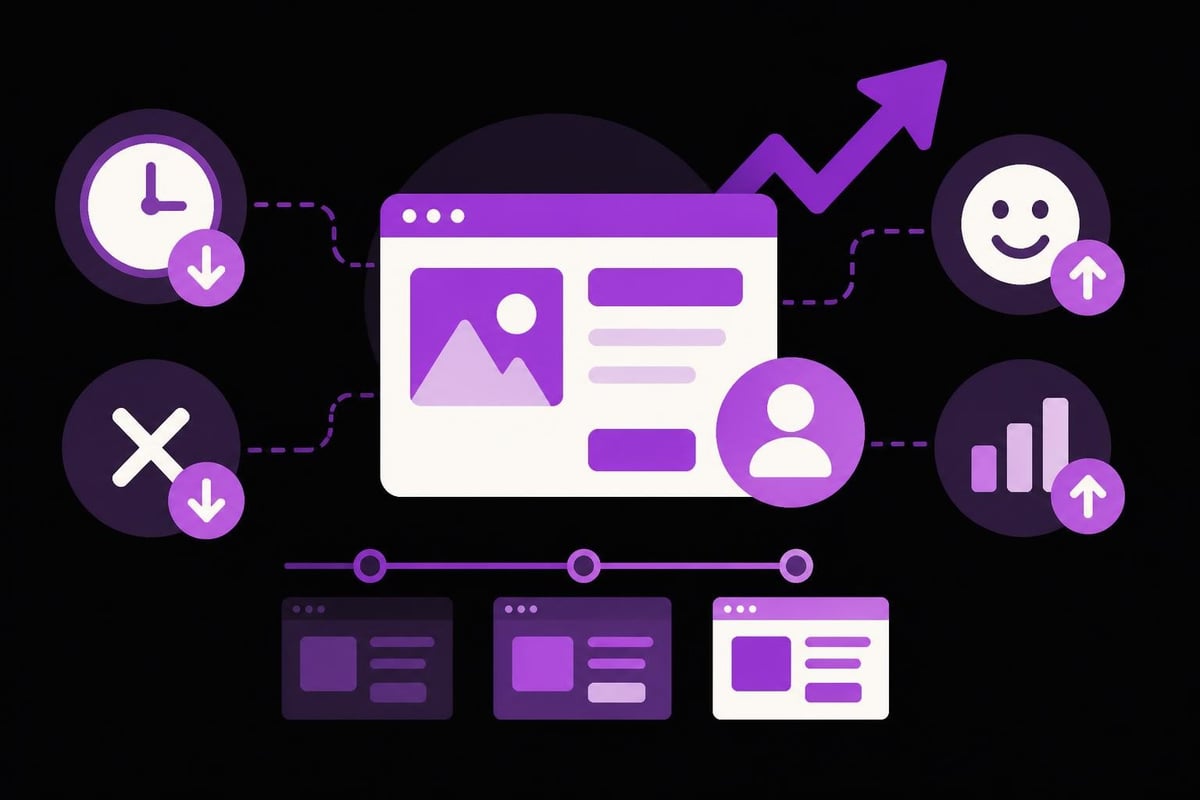
- Measuring design success through metrics and iterative improvements
The role requires balancing user needs with business goals. A product UX designer working on a payment rail application must ensure regulatory compliance while keeping the interface approachable for non-technical users. Similarly, designing a trading dashboard demands displaying complex financial data without overwhelming traders who need to make split-second decisions.
Technical Depth in 2026
Modern product UX designers possess varying levels of technical knowledge. While they don't write production code, understanding development constraints shapes realistic design solutions. Knowledge of responsive design principles, API limitations, and front-end frameworks enables more productive collaboration with engineering teams.
For specialized domains like blockchain applications or AI-powered interfaces, product UX designers must grasp fundamental concepts. Designing a smart contract interaction requires understanding gas fees, transaction finality, and wallet connections. These technical considerations directly impact user experience decisions, from button placement to error message clarity.
Essential Skills for Product UX Designers
The skill set extends far beyond software proficiency. While tools like Figma, Sketch, and Adobe XD remain important, the underlying competencies matter more.
| Skill Category | Key Competencies | Business Impact |
|---|---|---|
| Research | User interviews, analytics interpretation, competitive analysis | Data-driven decisions reduce costly redesigns |
| Design Thinking | Problem framing, ideation, rapid prototyping | Faster time-to-market with validated concepts |
| Communication | Stakeholder presentations, design documentation, cross-team collaboration | Alignment reduces friction and rework |
| Technical Understanding | HTML/CSS basics, API concepts, platform constraints | Feasible designs that engineers can implement |
| Business Acumen | Metrics analysis, conversion optimization, ROI thinking | Designs that drive measurable business outcomes |
Research skills separate exceptional product UX designers from average ones. Following Jakob Nielsen's 10 Usability Heuristics provides a foundation, but applying these principles requires deep user understanding. A designer creating an e-commerce checkout might reference Baymard Institute's research to reduce cart abandonment, but still needs primary research to address specific audience pain points.
Soft Skills That Matter
Empathy drives effective UX design. Product UX designers must advocate for users who may have different technical literacy, cultural backgrounds, or accessibility needs. This advocacy sometimes creates tension with business stakeholders focused on revenue metrics or engineering teams facing tight deadlines.
Critical soft skills include:
- Persuasion: Defending user-centered decisions with data and reasoning
- Adaptability: Pivoting designs based on testing results or changing requirements
- Curiosity: Continuously learning about new technologies, patterns, and user behaviors
- Collaboration: Working effectively across disciplines without territorial thinking
These interpersonal capabilities often determine project success more than technical skills. A brilliant interface that stakeholders reject never ships. Conversely, a moderately innovative design that the entire team supports can transform user engagement.
The Product UX Designer in Development Workflows
Integration with agile development processes defines the modern product UX designer's workflow. Rather than working in isolation and "throwing designs over the wall," they participate throughout the product lifecycle.
Sprint planning sessions require product UX designers to estimate design effort realistically. They must understand which features need extensive research versus iterative refinement. During development, they partner with product design engineers to ensure implementation matches intent, making real-time adjustments for technical constraints.
Design Systems and Scalability
Establishing and maintaining design systems represents a major responsibility. These living documents ensure consistency across products while accelerating future development. A comprehensive design system includes component libraries, interaction patterns, spacing rules, typography scales, and accessibility standards.
For organizations building multiple products like games, dashboards, and payment applications, design systems prevent each project from reinventing common patterns. The product UX designer creates reusable components that work across contexts while allowing customization for specific use cases.
| Design System Component | Purpose | Example Application |
|---|---|---|
| Button variants | Consistent interactive elements | Primary actions, secondary options, danger states |
| Form patterns | Standardized input collection | User registration, payment forms, settings panels |
| Navigation structures | Predictable wayfinding | Top nav, sidebar menus, breadcrumbs |
| Data visualization | Information display standards | Charts, tables, dashboards, analytics views |
| Feedback mechanisms | User communication | Toast notifications, modal dialogs, loading states |
Organizations offering design systems services recognize that these frameworks reduce long-term development costs while improving user experience consistency.
Specialization Areas for Product UX Designers
As products become more sophisticated, specialization creates opportunities. While generalist product UX designers remain valuable, deep expertise in specific domains commands premium positioning.
Emerging specialization areas:
- Blockchain and Web3 interfaces: Designing wallet connections, transaction confirmations, and decentralized application flows that make complex protocols accessible
- AI and machine learning products: Creating interfaces for generative AI tools, predictive systems, and autonomous agents that explain recommendations clearly
- Financial technology: Building dashboards, payment flows, and trading interfaces that handle sensitive data while maintaining usability
- Gaming and entertainment: Designing immersive experiences with complex mechanics that remain intuitive for new players
- Enterprise and internal tools: Creating efficient workflows for professional users who prioritize productivity over aesthetics
Each specialization demands domain knowledge beyond general UX principles. A product UX designer focused on designing trading dashboards must understand order types, market data feeds, and trader mental models. Similarly, designing for AI automation requires grasping how users want to interact with autonomous systems.
Platform-Specific Considerations
Platform choice significantly impacts design decisions. Web applications offer flexibility but face browser compatibility challenges. Mobile apps benefit from native features but must follow platform guidelines like Apple's Human Interface Guidelines for iOS applications.
The product UX designer navigates these constraints while maintaining brand consistency. A payment application might need web, iOS, and Android versions that feel familiar across platforms while respecting each environment's conventions. This balance requires understanding technical capabilities and user expectations for each platform.
Measuring Product UX Designer Impact
Quantifying design contribution challenges many organizations. Unlike engineering output measured in features shipped or marketing impact tracked through conversion rates, UX improvements often manifest as absence of friction rather than presence of flashiness.
Key performance indicators include:
- Task completion rates and time-on-task metrics
- Error rates and support ticket volume related to usability
- User satisfaction scores through NPS or CSAT surveys
- Conversion rates at critical funnel stages
- Feature adoption and engagement metrics
- Accessibility compliance and inclusive design reach
A product UX designer working on building a SaaS MVP might track onboarding completion rates. Improving this metric from sixty percent to eighty-five percent directly impacts customer acquisition costs and lifetime value. These measurable outcomes justify design investments and guide iterative improvements.
A/B Testing and Experimentation
Data-driven design relies on controlled experiments. Rather than debating subjective preferences, product UX designers run tests comparing alternative approaches. This methodology works particularly well for high-traffic interfaces like landing pages, checkout flows, or dashboard layouts.
However, not every design decision needs testing. Established patterns from resources like Smashing Magazine's UX design articles provide proven approaches for common scenarios. Product UX designers balance innovation with convention, testing novel approaches while leveraging known patterns for standard interactions.
Career Trajectory and Market Demand
The product UX designer career path offers multiple progression options. Junior designers focus on executing defined tasks under supervision, while mid-level professionals own complete feature areas. Senior product UX designers guide strategic decisions, mentor team members, and influence product direction.
Beyond individual contributor roles, leadership paths include UX management, design operations, and strategic design leadership. Some product UX designers transition into product management, leveraging their user understanding to define product strategy. Others specialize further, becoming authorities in specific domains like accessibility, research methodology, or design systems architecture.
Compensation and Market Trends
Demand for skilled product UX designers remains strong in 2026. Companies recognize that poor user experience costs more than hiring talented designers. Organizations building complex products like marketplace platforms or crypto gaming applications particularly value designers who understand their unique challenges.
Compensation varies by location, experience, and specialization. Product UX designers in major tech hubs command higher salaries, while remote opportunities expand access to global talent pools. Specialized skills in emerging areas like AI interfaces or blockchain applications often justify premium rates.
Building a Product UX Design Practice
Organizations establishing design capabilities face decisions about team structure. Some centralize product UX designers in a dedicated department, while others embed them within product squads. Each approach offers advantages depending on company size and product complexity.
Centralized design teams provide:
- Consistent design standards across products
- Easier knowledge sharing and mentorship
- Specialized expertise available to all projects
- Stronger design advocacy at executive level
Embedded designers offer:
- Deeper product context and domain knowledge
- Faster iteration and implementation cycles
- Closer collaboration with engineers and product managers
- Greater ownership over specific product outcomes
Hybrid models combine both approaches, with product UX designers reporting to design leadership while embedded in product teams. This structure balances consistency with agility, allowing designers to maintain standards while responding quickly to product needs.
Collaboration with Development Partners
Companies without in-house design teams often partner with specialized firms. Working with agencies offering comprehensive product design services provides access to experienced product UX designers without long-term hiring commitments. This approach works well for startups building initial products or established companies launching new initiatives.
Effective partnerships require clear communication about objectives, constraints, and success criteria. Product UX designers need adequate context about business goals, technical limitations, and user demographics. Organizations should expect iterative collaboration rather than finished designs delivered in isolation. The UX Collective offers valuable perspectives on effective design collaboration across distributed teams.
Tools and Technologies
While tools don't define the product UX designer role, proficiency with industry-standard software remains essential. Figma has emerged as the dominant collaborative design platform, enabling real-time teamwork across distributed teams. Its component system, prototyping capabilities, and developer handoff features streamline workflows from concept to implementation.
Core tool categories:
- Design and prototyping: Figma, Sketch, Adobe XD, Framer
- User research: UserTesting, Maze, Optimal Workshop, Lookback
- Analytics and metrics: Mixpanel, Amplitude, Hotjar, Google Analytics
- Collaboration: Miro, FigJam, Notion, Confluence
- Handoff and documentation: Zeplin, Abstract, Storybook
The specific stack matters less than understanding each tool's purpose. Product UX designers should evaluate tools based on team needs, integration requirements, and workflow efficiency rather than chasing trends.
Emerging Technologies Impact
New technologies continually reshape design possibilities. Generative AI assists with ideation, creating variations, and even generating initial design concepts. However, these tools augment rather than replace product UX designers. The strategic thinking, user empathy, and contextual judgment remain uniquely human capabilities.
Voice interfaces, augmented reality, and spatial computing introduce new design challenges. Product UX designers working on these platforms must understand different interaction paradigms beyond traditional screens. Resources from the Interaction Design Foundation help designers stay current with evolving interaction models.
Educational Paths and Continuous Learning
Formal education in product UX design varies widely. Some professionals hold degrees in human-computer interaction, graphic design, or psychology. Others transition from adjacent fields like front-end development, product management, or visual design. Increasingly, bootcamps and online courses provide accelerated pathways into the field.
Learning resources include:
- University programs in HCI, design, or related fields
- Bootcamps focused on UX/UI design fundamentals
- Online courses from platforms like Coursera, LinkedIn Learning, and specialized design schools
- Industry conferences, workshops, and local meetups
- Books, blogs, and podcasts covering design theory and practice
The Coursera collection of UX design resources offers curated learning materials for various skill levels. However, real-world practice remains the most effective teacher. Building actual products, receiving user feedback, and iterating based on results develops skills faster than passive learning.
Portfolio Development
Strong portfolios demonstrate problem-solving ability more than visual polish. Product UX designers should showcase their process: research insights, design iterations, decision rationale, and measurable outcomes. Case studies that explain challenges, approaches, and results prove capabilities better than beautiful screenshots without context.
Projects can include professional work, freelance clients, personal initiatives, or redesign concepts. The key is demonstrating complete thinking from problem identification through solution validation. Organizations evaluating candidates want evidence of user-centered thinking, collaboration skills, and business impact understanding.
Common Challenges and Solutions
Product UX designers face recurring obstacles throughout their careers. Recognizing these challenges and developing strategies to address them separates effective practitioners from struggling ones.
Frequent challenges:
- Balancing user needs with business constraints: Users want features that may not align with revenue goals or technical feasibility
- Managing stakeholder disagreements: Different departments prioritize conflicting objectives
- Working with insufficient research: Time or budget constraints limit proper user research
- Handling design by committee: Too many opinions dilute design coherence
- Communicating design value: Justifying design investments to non-design leadership
Addressing these challenges requires diplomacy, data, and strategic thinking. Product UX designers who frame decisions in business terms gain more stakeholder support. Those who demonstrate design impact through metrics earn budget for research and experimentation. Building relationships across departments creates advocates who support user-centered decisions even when convenient alternatives exist.
When working on complex projects like building web applications or developing production-ready dApps, the product UX designer must navigate technical constraints while maintaining user focus. This balance requires ongoing communication with engineering teams to understand what's possible within project timelines and budgets.
Industry-Specific Applications
The product UX designer role adapts significantly across industries. Financial technology demands particular attention to security, compliance, and user trust. A designer working on payment rail systems must balance regulatory requirements with user convenience, ensuring transactions feel secure without unnecessary friction.
Gaming applications require different expertise. Product UX designers in this space focus on engagement mechanics, onboarding flows for complex systems, and maintaining challenge without frustration. The interface must fade into the background while clearly communicating game state and available actions.
Enterprise software presents another distinct challenge. Users prioritize efficiency over entertainment, preferring keyboard shortcuts and dense information displays. Product UX designers creating internal tools optimize for expert users who perform repetitive tasks, rather than occasional users needing hand-holding.
Cross-Functional Integration
Successful product UX designers understand they're part of larger systems. They collaborate with brand designers ensuring visual consistency, work with web developers on implementation feasibility, and partner with marketing teams on user acquisition strategies.
This integration proves particularly important for organizations offering comprehensive services. When web design and development happen under one roof, product UX designers can iterate more fluidly between design and technical constraints. This unified approach reduces miscommunication and accelerates delivery timelines.
The product UX designer role continues evolving as technology advances and user expectations rise. Organizations that invest in strong design capabilities create products users genuinely enjoy, leading to better retention, higher conversion, and sustainable competitive advantage. Whether you're building payment systems, gaming platforms, or AI-powered dashboards, partnering with experienced professionals makes the difference between functional products and exceptional experiences. Absolute Foundry combines product design expertise with full-stack engineering capabilities, delivering end-to-end solutions that balance user needs with business objectives and technical realities.