Composite Engineering: Building Tomorrow's Products
The intersection of materials science, structural design, and advanced manufacturing has created unprecedented opportunities for product development across industries. Composite engineering represents a fundamental shift in how modern products are conceived, designed, and brought to market. As businesses seek stronger, lighter, and more cost-effective solutions, understanding the principles and applications of this discipline becomes essential for maintaining competitive advantage in 2026.
Understanding the Fundamentals of Composite Engineering
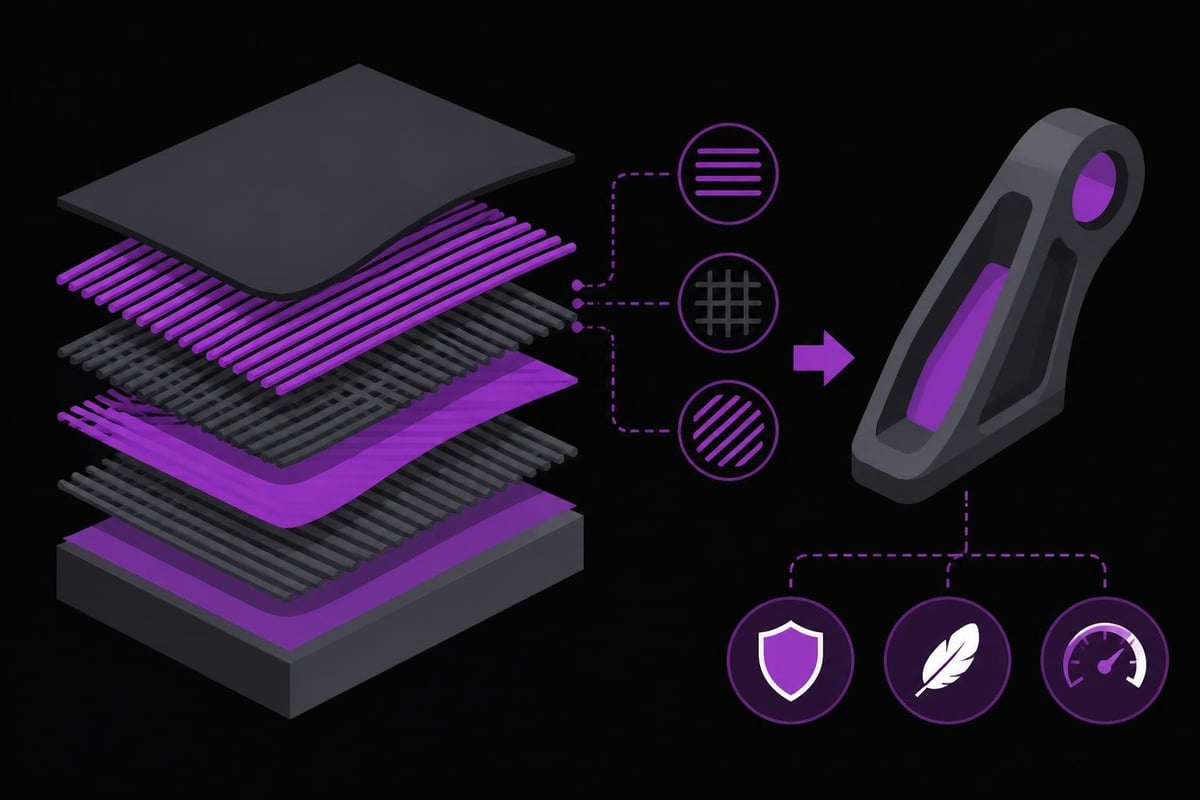
Composite engineering involves the systematic design and fabrication of materials created by combining two or more constituent materials with significantly different physical or chemical properties. The resulting composite material exhibits characteristics different from the individual components, often superior in specific applications.
Core Principles and Material Systems
The foundation of composite engineering rests on understanding how different materials interact at the molecular and structural levels. Engineers select matrix materials (polymers, metals, or ceramics) and reinforcement materials (fibers, particles, or sheets) based on desired performance characteristics.
Key material combinations include:
- Fiber-reinforced polymers (carbon fiber, glass fiber, aramid)
- Metal matrix composites for high-temperature applications
- Ceramic matrix composites for extreme environments
- Hybrid systems combining multiple reinforcement types
The selection process requires balancing mechanical properties, thermal behavior, chemical resistance, and manufacturing feasibility. Each decision impacts the final product's performance envelope and production economics.
Design Methodology and Analysis
Modern composite engineering employs sophisticated computational methods to predict material behavior before physical prototyping. Finite element analysis, computational fluid dynamics, and molecular dynamics simulations enable engineers to optimize designs virtually.
| Analysis Type | Application | Key Benefits |
|---|---|---|
| Structural FEA | Load-bearing components | Stress distribution mapping |
| Thermal Analysis | Heat-sensitive applications | Temperature gradient prediction |
| Failure Prediction | Safety-critical parts | Damage progression modeling |
| Manufacturing Simulation | Process optimization | Defect prevention |
The design and analysis of composite materials increasingly incorporates machine learning models that can predict optimal configurations based on historical data and performance requirements. This integration of AI with traditional engineering principles accelerates development cycles significantly.
Applications Across Product Categories
Composite engineering has transformed product development in sectors ranging from aerospace to consumer electronics. The versatility of composite materials allows engineers to tailor properties for specific use cases.
High-Performance Product Development
In aerospace and automotive applications, weight reduction directly translates to improved fuel efficiency and performance. Carbon fiber composites offer strength-to-weight ratios unattainable with traditional metals, enabling designs that were previously impossible.
Modern gaming hardware and consumer electronics benefit from composite engineering through improved thermal management and structural rigidity. Circuit boards, enclosures, and cooling systems increasingly incorporate engineered composites to meet demanding performance specifications.
Industry-specific applications include:
- Payment terminal housings requiring EMI shielding
- Dashboard display bezels combining aesthetics with durability
- Smart contract hardware wallets needing tamper resistance
- Gaming console components balancing weight and thermal performance
The principles governing these applications align closely with the comprehensive product design services required for modern digital products, where multiple materials and manufacturing processes must work in harmony.
Digital Product Integration
While composite engineering traditionally focuses on physical materials, the methodology extends to digital product architecture. Layer-based systems, performance optimization, and failure mode analysis apply equally to software engineering and smart contract development.
Building robust payment rails requires the same systematic approach used in composite engineering-combining different technologies, protocols, and security layers to create a cohesive system that performs better than any single component.
Manufacturing Processes and Quality Control
The transition from design to production in composite engineering demands precise control over multiple variables. Manufacturing methods range from manual layup techniques to fully automated processes.
Advanced Fabrication Techniques
Different manufacturing processes suit different production volumes and complexity levels. Selection depends on part geometry, production quantity, material system, and cost constraints.
- Automated fiber placement for large aerospace structures
- Resin transfer molding for medium-volume production
- 3D printing with composite filaments for rapid prototyping
- Compression molding for high-volume consumer goods
Each method introduces specific challenges related to quality assurance and process repeatability. The importance of non-destructive testing techniques cannot be overstated in ensuring structural integrity and long-term reliability.

Process Optimization and Automation
Modern composite engineering facilities increasingly rely on AI automation to maintain consistent quality while reducing production costs. Machine vision systems detect defects during layup, robots ensure precise fiber placement, and predictive maintenance algorithms minimize downtime.
| Manufacturing Stage | Automation Technology | Quality Impact |
|---|---|---|
| Material preparation | Automated cutting systems | Reduced waste, consistent dimensions |
| Layup process | Robotic fiber placement | Improved precision, repeatability |
| Curing cycle | IoT sensor networks | Optimized thermal profiles |
| Inspection | AI-powered imaging | Enhanced defect detection |
The integration of these technologies mirrors the systematic approach required when building production-ready applications where multiple components must work seamlessly together.
Engineering Challenges and Solutions
Composite engineering presents unique challenges that require innovative problem-solving approaches. Understanding these challenges helps teams make informed decisions during product development.
Material Behavior and Failure Modes
Unlike isotropic materials like metals, composites exhibit directional properties that complicate stress analysis. Fiber orientation, layer stacking sequence, and resin content all influence how a component responds to loading.
Common failure modes requiring consideration:
- Delamination between composite layers
- Fiber breakage under tensile loading
- Matrix cracking due to thermal cycling
- Impact damage creating internal voids
- Environmental degradation over time
Addressing these challenges requires comprehensive testing protocols and conservative design margins. The Encyclopedia of Composite Materials serves as an invaluable reference for understanding failure mechanisms and mitigation strategies.
Joining and Assembly Considerations
Connecting composite components to metal structures or other composites introduces galvanic corrosion risks and stress concentration points. Engineers must carefully design joint configurations and select appropriate adhesives or mechanical fasteners.
The complexity of composite assembly parallels the challenges in building integrated marketplaces where different systems, APIs, and databases must connect reliably while maintaining performance and security.
Cost Analysis and Economic Considerations
Composite engineering projects require careful financial planning as material costs, tooling investments, and labor expenses can significantly impact project viability.
Investment Requirements and ROI
Initial tooling costs for composite manufacturing often exceed those for traditional metalworking. However, per-part costs decrease dramatically at higher volumes, and lifecycle benefits may justify upfront investment.
- Material procurement and storage infrastructure
- Specialized tooling and molds for each part geometry
- Environmental controls for curing and processing
- Quality assurance equipment and calibration
- Workforce training and certification programs
The economic model resembles developing custom internal tools where significant upfront development costs are amortized across extended usage periods, delivering long-term value through improved efficiency.
Value Engineering Strategies
Reducing costs without compromising performance requires systematic analysis of design alternatives and manufacturing methods. Value engineering in composite projects focuses on optimizing material usage, simplifying tooling, and eliminating non-critical performance requirements.

Industry Standards and Compliance
Composite engineering operates within frameworks established by industry organizations and regulatory bodies. Compliance ensures safety, reliability, and market acceptance.
Regulatory Frameworks and Certification
Different industries impose specific requirements on composite materials and structures. Aerospace applications require FAA approval, automotive components must meet crash safety standards, and medical devices need FDA clearance.
The American Society of Civil Engineers provides guidelines for composite construction in structural applications, ensuring consistent safety margins across projects.
Key certification areas include:
- Material qualification testing per industry standards
- Manufacturing process validation and documentation
- Non-destructive inspection protocols
- Environmental exposure testing
- Long-term durability verification
These requirements mirror the compliance-by-design principles essential in regulated industries like fintech and healthcare, where systematic adherence to standards is non-negotiable.
Future Trends and Emerging Technologies
The composite engineering field continues evolving with new materials, processes, and applications emerging regularly. Staying current with these developments provides competitive advantages.
Advanced Material Systems
Research institutions like Northwestern University are developing next-generation composites with enhanced properties, including self-healing matrices, embedded sensors, and multifunctional capabilities.
Nano-engineered composites offer unprecedented control over material properties at the molecular level. Graphene-enhanced polymers, carbon nanotube reinforcements, and bio-inspired structural designs promise performance breakthroughs across applications.
Digital Integration and Smart Composites
The convergence of composite engineering with IoT and embedded systems creates opportunities for intelligent structures that monitor their own condition and adapt to changing environments. Sensor networks embedded during manufacturing provide real-time data on structural health.
This integration parallels the development of AI-powered operational tools that continuously monitor system performance and optimize resource allocation based on real-time conditions.
Knowledge Resources and Continued Learning
The rapidly evolving nature of composite engineering requires ongoing education and access to current research. Multiple organizations provide authoritative resources for practitioners.
Professional Development Pathways
Engineers entering the composite field benefit from structured learning programs combining theoretical knowledge with practical experience. University programs, industry certifications, and hands-on workshops develop the multidisciplinary skills required.
The NAFEMS composites working group maintains curated resources including ASTM standards, the Composite Materials Handbook, and international committee publications.
| Resource Type | Provider | Focus Area |
|---|---|---|
| Academic Research | Elsevier Composites Series | Applied research and industrial applications |
| Standards Documents | ASTM Committee D30 | Testing methods and specifications |
| Technical Handbooks | CMH-17 | Material properties and design data |
| Online Communities | Professional societies | Knowledge sharing and networking |
Continuous learning in composite engineering mirrors the iterative approach required when building SaaS MVPs, where rapid experimentation and incorporation of new techniques accelerate product development.
Strategic Implementation for Product Teams
Successfully incorporating composite engineering into product development workflows requires coordinated efforts across design, engineering, and manufacturing teams.
Cross-Functional Collaboration
Composite projects demand early involvement from all stakeholders. Manufacturing constraints must inform design decisions, cost analysts need accurate material specifications, and quality teams require clear acceptance criteria.
The collaborative model resembles comprehensive web development projects where frontend designers, backend engineers, and infrastructure specialists must align on technical approaches and deliverables.
Essential team capabilities include:
- Materials science expertise for selection and qualification
- Structural analysis skills for performance prediction
- Manufacturing engineering for process development
- Quality assurance for testing and validation
- Project management for timeline and budget control
Building this expertise internally requires significant investment, leading many organizations to partner with specialized firms that maintain these capabilities across multiple projects.
Composite engineering delivers transformative benefits for products requiring optimal strength-to-weight ratios, design flexibility, and performance characteristics unattainable with traditional materials. The systematic approach to combining materials, validating designs, and optimizing manufacturing processes creates competitive advantages across industries. Whether you're developing physical products with advanced materials or digital platforms requiring robust architecture, Absolute Foundry provides the engineering expertise and end-to-end services to bring your vision to market efficiently, allowing your team to focus on growth while we handle the technical complexity.