Cameo System Modeler: MBSE for Product Engineers
Modern product engineering demands sophisticated tools that can handle complex system architectures, interdependent components, and rigorous validation processes. As product ecosystems grow more intricate-from smart contracts to payment rails, gaming platforms to AI-powered dashboards-engineering teams need robust modeling capabilities that go beyond traditional documentation. This is where model-based systems engineering (MBSE) platforms become essential, offering structured approaches to design, validation, and collaboration across distributed development teams.
Understanding Model-Based Systems Engineering
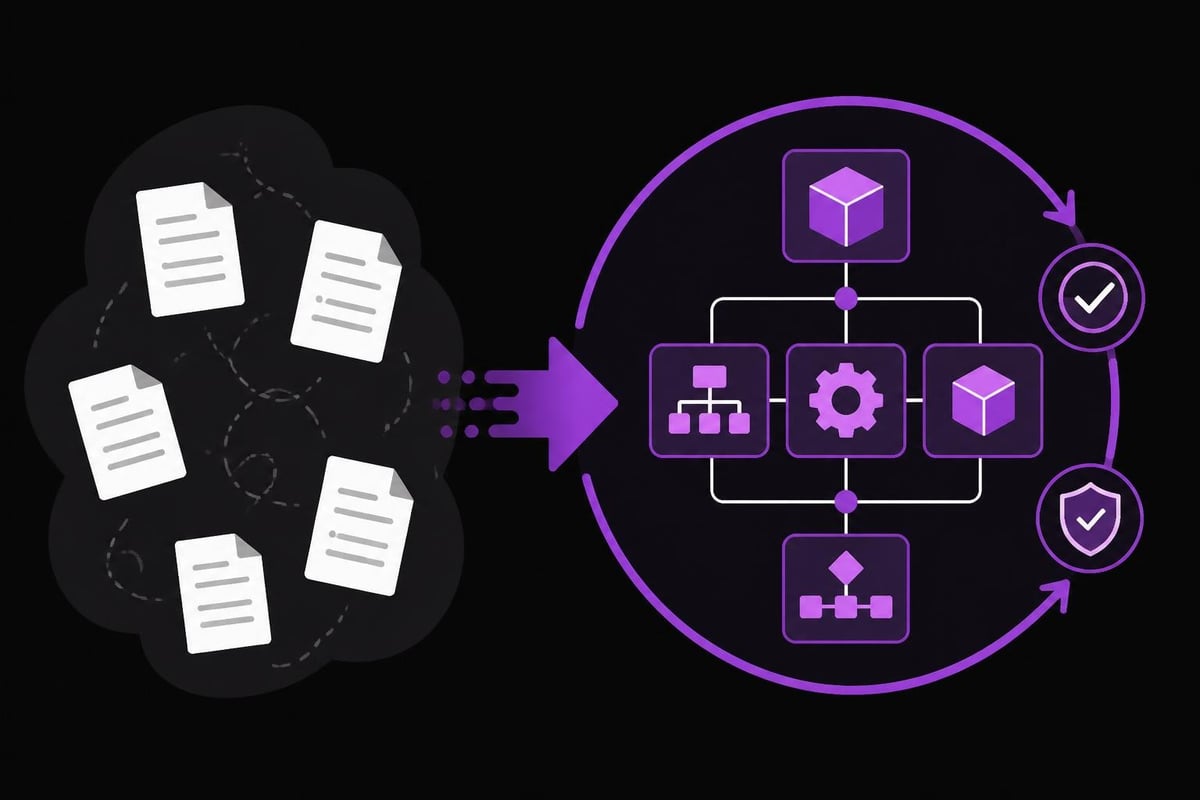
Model-based systems engineering represents a fundamental shift from document-centric development to model-centric workflows. Instead of maintaining scattered specifications across multiple documents, MBSE centralizes system knowledge within dynamic, interconnected models that serve as the single source of truth.
Cameo system modeler stands as a leading platform in this space, providing comprehensive MBSE capabilities built on the Systems Modeling Language (SysML) standard. The platform enables engineers to create, validate, and maintain complex system models throughout the entire product lifecycle.
Why Product Teams Choose MBSE Platforms
Traditional document-based approaches create significant challenges for modern product development:
- Version control nightmares when specifications exist across dozens of documents
- Communication gaps between system architects, developers, and stakeholders
- Validation delays from manual verification processes
- Traceability issues linking requirements to implementation and testing
MBSE platforms address these pain points by providing unified modeling environments. According to Cameo Systems Modeler documentation, teams can create comprehensive system models that automatically maintain consistency and traceability across all project elements.
Core Capabilities of Cameo System Modeler
The platform delivers a comprehensive suite of modeling and simulation capabilities designed specifically for systems engineering. Cameo system modeler supports the full SysML specification, enabling teams to create nine primary diagram types that capture different system perspectives.
SysML Diagram Types and Applications
| Diagram Type | Purpose | Engineering Use Case |
|---|---|---|
| Requirement Diagram | Capture and organize requirements | Link business needs to technical specifications |
| Use Case Diagram | Model system functionality | Define user interactions and system boundaries |
| Activity Diagram | Document workflows and processes | Map data flows in payment rails |
| Sequence Diagram | Show time-ordered interactions | Design smart contract execution sequences |
| State Machine Diagram | Define behavior over time | Model game state transitions |
| Block Definition Diagram | Structure system architecture | Organize dashboard component hierarchies |
| Internal Block Diagram | Show internal structure | Detail AI model data pipelines |
| Package Diagram | Organize model elements | Structure large-scale system models |
| Parametric Diagram | Define constraint equations | Validate performance requirements |
Each diagram type serves specific modeling needs while maintaining connections to other views. When you modify a requirement in one diagram, those changes propagate automatically through related elements across the entire model.
Simulation and Validation Features
Beyond static modeling, the platform includes powerful simulation capabilities. The Simulation Toolkit for Cameo Systems Modeler enables teams to execute models and validate system behavior before implementation.
Key simulation features include:
- Executable activity diagrams that demonstrate process flows
- State machine simulations showing system responses to events
- Parametric constraint solving for performance validation
- Custom simulation profiles for domain-specific analysis
These capabilities prove particularly valuable for product engineering teams building complex systems. Before writing a single line of production code, engineers can validate architectural decisions, identify bottlenecks, and refine system designs through iterative simulation.
Integration with Modern Development Workflows
Product engineering teams rarely work in isolation with a single tool. Cameo system modeler recognizes this reality through extensive integration capabilities that connect MBSE workflows with existing development infrastructure.
API and Automation Support
The platform provides robust APIs for programmatic model manipulation and data exchange. Engineering teams can automate repetitive modeling tasks, extract data for reporting, or synchronize models with external systems.
This automation capability particularly benefits teams following AI automation practices, where machine learning models and intelligent agents participate in development workflows. Models can be updated automatically based on system telemetry, creating feedback loops between production systems and architectural models.
Collaborative Modeling Environments
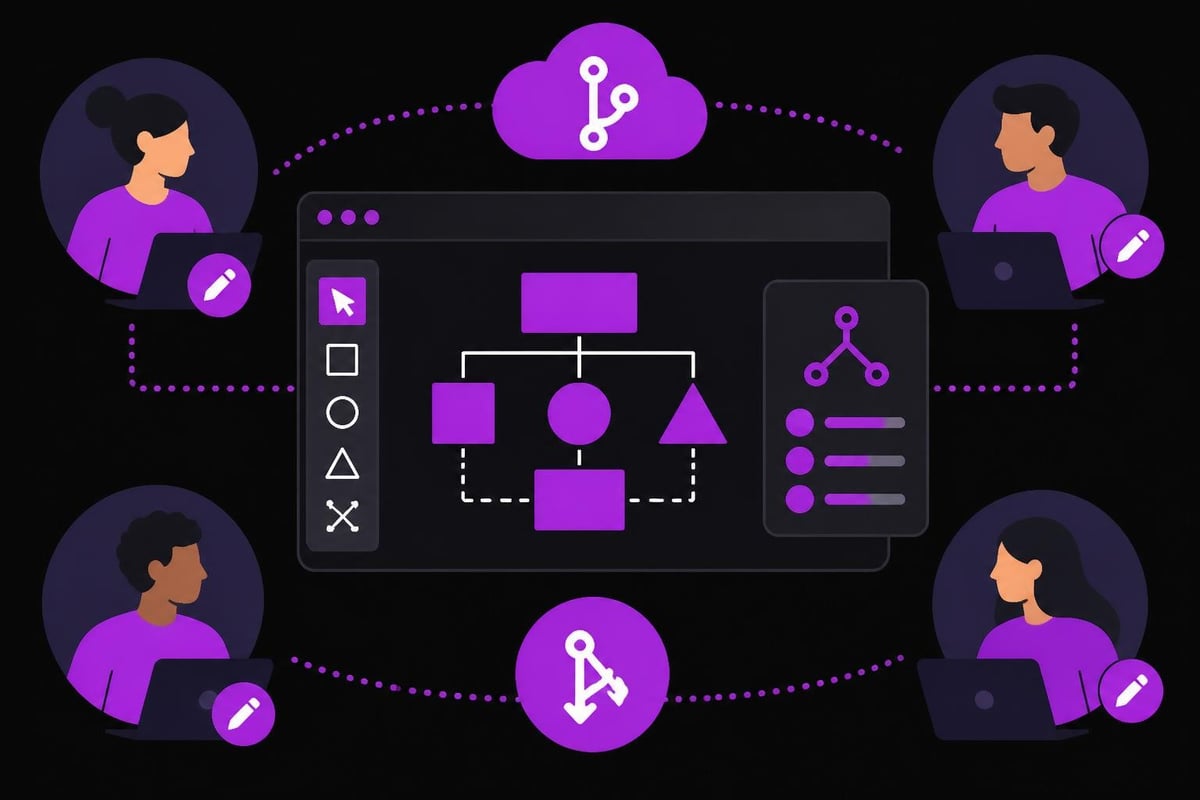
Modern product development demands seamless collaboration across distributed teams. According to Systemy overview, the platform supports collaborative MBSE environments where multiple engineers work simultaneously on shared models.
Collaboration features include:
- Multi-user model editing with conflict detection and resolution
- Version control integration through standard Git workflows
- Change tracking showing who modified which elements and when
- Review workflows for architectural decision approval
- Model comparison highlighting differences between versions
For product engineering teams building design systems or complex technical platforms, these collaboration capabilities ensure architectural consistency across development cycles.
Practical Applications in Product Engineering
While cameo system modeler serves aerospace, automotive, and defense industries traditionally, its capabilities translate directly to modern product engineering contexts. Teams building digital products benefit from the same structured modeling approaches that guide complex hardware-software systems.
Smart Contract and Blockchain Systems
Smart contract development demands rigorous specification and validation. State machine diagrams model contract lifecycle states, sequence diagrams capture cross-contract interactions, and parametric diagrams validate economic constraints.
When building smart contract escrow systems or payment rails, engineers can model the entire transaction flow, identify edge cases, and validate security properties before deployment. Activity diagrams document multi-step processes like token transfers, while requirement diagrams ensure compliance specifications are met.
Gaming Platform Architecture
Game development involves complex state management, player interactions, and real-time event processing. Cameo system modeler enables teams to model these intricate systems comprehensively.
State machine diagrams capture game mechanics and player progression. Use case diagrams define player interactions across different game modes. Internal block diagrams structure the technical architecture connecting game engines, databases, and network layers.
For teams building crypto iGaming platforms, these models ensure fairness algorithms, random number generation, and provably fair mechanics are properly specified and validated before implementation.
Dashboard and Data Pipeline Modeling
Complex dashboards serving real-time data require careful architectural planning. The platform helps teams model data flows, component hierarchies, and user interaction patterns systematically.
Block definition diagrams structure dashboard component libraries, establishing reusable patterns across applications. Activity diagrams map data processing pipelines from raw inputs through transformations to visualization. Sequence diagrams detail how dashboard components query backend services and update displays.
When designing trading dashboards or analytics platforms, this systematic modeling prevents architectural inconsistencies and ensures scalable designs. Teams can validate performance requirements through parametric diagrams before investing in implementation.
AI and Machine Learning System Design
AI systems present unique modeling challenges due to their probabilistic nature and data dependencies. Cameo system modeler accommodates these requirements through flexible diagram types and custom profiles.
Activity diagrams map machine learning pipelines from data ingestion through preprocessing, training, and inference. Block definition diagrams organize model architectures, showing relationships between neural network layers, training modules, and evaluation components. Parametric diagrams capture performance constraints like accuracy thresholds, latency requirements, and resource limits.
| AI System Component | Appropriate Diagram Type | Modeling Focus |
|---|---|---|
| Data Pipeline | Activity Diagram | Data flow and transformation steps |
| Model Architecture | Block Definition Diagram | Component structure and relationships |
| Training Process | State Machine Diagram | Training states and transitions |
| Inference Service | Sequence Diagram | Request handling and response generation |
| Performance Constraints | Parametric Diagram | Accuracy, latency, throughput limits |
Teams developing AI automation solutions or building AI hedge funds benefit from this structured approach to machine learning system design.
Advanced Features for Complex Systems
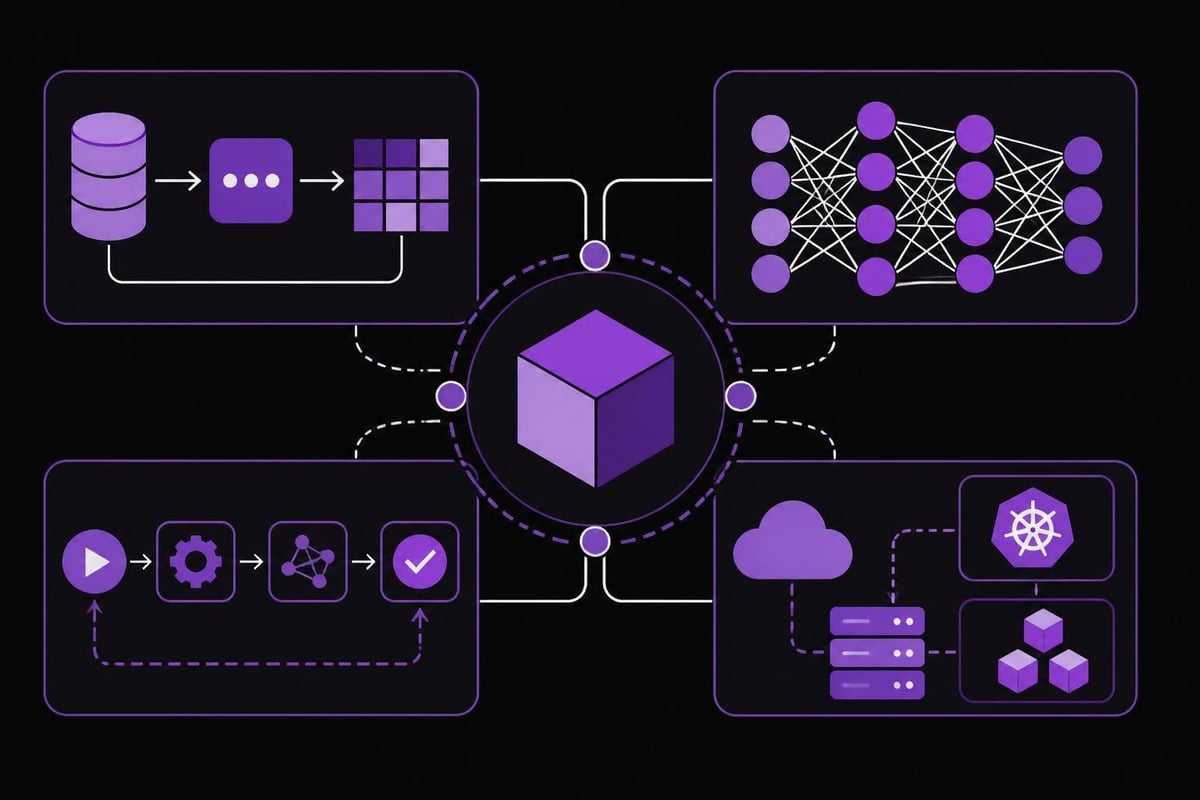
Beyond basic modeling, the platform includes sophisticated capabilities for handling enterprise-scale complexity. These features become critical when engineering teams scale beyond simple applications into intricate product ecosystems.
Requirements Traceability and Management
Every system begins with requirements. Cameo system modeler provides comprehensive requirements management integrated directly with system models. Requirements aren't isolated documents but living elements connected to design decisions, implementation components, and test cases.
Engineers can trace any requirement from initial specification through architectural design to implementation and validation. This traceability ensures nothing falls through cracks during development and simplifies compliance verification for regulated industries.
The comprehensive overview from Dassault Systèmes highlights how the platform maintains these critical connections throughout system evolution, enabling impact analysis when requirements change.
Custom Profiles and Domain Extensions
While SysML provides strong foundational capabilities, specific engineering domains often require specialized notation and concepts. The platform supports custom profiles that extend base capabilities with domain-specific elements.
Product engineering teams can create profiles for:
- Smart contract modeling with custom stereotypes for contracts, tokens, and blockchain interactions
- Gaming systems including specialized elements for game mechanics, player attributes, and progression systems
- Payment infrastructure with domain-specific notation for transactions, settlement, and compliance
- Dashboard design featuring specialized UI components and data binding patterns
These profiles ensure models speak the language of specific domains while maintaining MBSE rigor and traceability.
Selecting the Right Modeling Approach
Not every project requires comprehensive MBSE implementation. Engineering teams must balance modeling rigor against development velocity and project complexity.
When Full MBSE Makes Sense
Consider comprehensive modeling for:
- Systems with strict compliance requirements where traceability is mandatory
- Complex architectures with many interdependent components
- Long-lived products requiring extensive maintenance and evolution
- Teams distributed across locations needing shared architectural understanding
- Projects where upfront validation prevents costly implementation errors
Lightweight Modeling Alternatives
For simpler projects, consider:
- Selective diagram usage focusing on critical architectural views
- Model sketching capturing key decisions without exhaustive detail
- Hybrid approaches combining diagrams with traditional documentation
- Progressive formalization starting lightweight and adding rigor as complexity grows
The key is matching modeling investment to project needs. A SaaS MVP might need basic architecture diagrams, while building production dApps demands comprehensive modeling and validation.
Training and Skill Development
Adopting cameo system modeler requires investment in team capabilities. While the platform offers powerful features, realizing value demands understanding both MBSE principles and tool-specific techniques.
Learning Resources and Documentation
The platform provides extensive learning materials for teams at different skill levels. Official documentation covers everything from basic diagram creation to advanced simulation techniques. Tutorial videos demonstrating SysML diagrams offer practical examples showing real modeling scenarios.
Effective training approaches include:
- Structured courses covering MBSE fundamentals and platform specifics
- Hands-on workshops applying concepts to real project scenarios
- Mentorship programs pairing experienced modelers with new team members
- Community participation in MBSE forums and user groups
- Incremental adoption starting with pilot projects before full deployment
Building Internal Expertise
Long-term success requires developing internal modeling champions who can guide teams and establish best practices. These experts bridge theoretical MBSE knowledge with practical engineering needs, creating modeling standards tailored to organizational requirements.
For product engineering firms like those offering product design services, investing in MBSE expertise creates competitive advantages through superior system understanding and validation capabilities.
Platform Ecosystem and Tool Integration
Cameo system modeler operates within a broader ecosystem of engineering tools. Understanding integration points helps teams build cohesive workflows connecting modeling with implementation, testing, and deployment.
Requirements Management Systems
Models often connect with dedicated requirements management platforms like DOORS, Jama, or modern alternatives. Bidirectional synchronization ensures requirements stay aligned between specialized tools and system models.
Development Environments and IDEs
While models capture architectural intent, implementation happens in development environments. Integration capabilities enable:
- Code generation from structural models creating implementation scaffolding
- Model updates based on code changes through reverse engineering
- Traceability links connecting model elements to source code
- Documentation generation creating developer guides from models
Testing and Validation Tools
System validation extends beyond model simulation into comprehensive testing. Integration with test management platforms enables traceability from requirements through models to test cases, ensuring complete coverage and validation.
Industry Applications and Case Studies
According to Sodius Willert's analysis, organizations across industries leverage the platform for diverse applications. While traditional domains like aerospace and automotive dominate, digital product engineering increasingly adopts MBSE approaches.
Digital product applications include:
- Fintech platforms modeling payment flows, compliance requirements, and security architectures
- Healthcare systems capturing regulatory requirements and patient data workflows
- Energy management designing smart grid components and optimization algorithms
- Transportation modeling mobility platforms and logistics systems
- IoT ecosystems architecting device networks and data processing pipelines
Each application leverages core MBSE capabilities while adapting modeling approaches to domain-specific needs.
Future Directions in Systems Modeling
The MBSE landscape continues evolving as engineering challenges grow more complex and development practices advance. Several trends shape how platforms like cameo system modeler develop and how teams apply them.
AI-Enhanced Modeling
Machine learning increasingly augments modeling activities through intelligent assistance, automated diagram generation from requirements, and anomaly detection identifying modeling inconsistencies. Future platforms will likely incorporate AI agents that suggest architectural patterns, identify design flaws, and optimize system configurations.
Cloud-Native Collaboration
Modern engineering teams work across continents and time zones. Cloud-native modeling environments enable seamless collaboration without complex infrastructure. Real-time co-editing, instant model sharing, and browser-based access lower barriers to MBSE adoption.
Digital Twin Integration
As physical products gain digital counterparts, models become living representations synchronized with deployed systems. Telemetry from production systems feeds back into architectural models, creating continuous validation loops and enabling predictive maintenance.
Model-Based DevOps
The DevOps movement transformed software delivery through automation and continuous integration. Model-based DevOps extends these principles to systems engineering, automatically validating models, generating artifacts, and deploying updates through integrated toolchains.
Adopting structured modeling approaches through cameo system modeler enables product engineering teams to tackle complexity with confidence, maintaining architectural clarity across intricate systems while ensuring requirements traceability and validation. Whether you're building smart contracts, gaming platforms, AI systems, or complex dashboards, Absolute Foundry brings deep engineering expertise and modern development practices to transform your vision into robust, well-architected products that scale with your business.